
No. British citizens can enter Vietnam without a visa for stays of up to 45 days. Under Resolution No. 44/NQ-CP, dated 7 March 2025, the Vietnamese Government grants unilateral visa exemption to citizens of the United Kingdom, which comprises England, Scotland, Wales and Northern Ireland. The policy applies from 15 March 2025 to 14 March 2028.
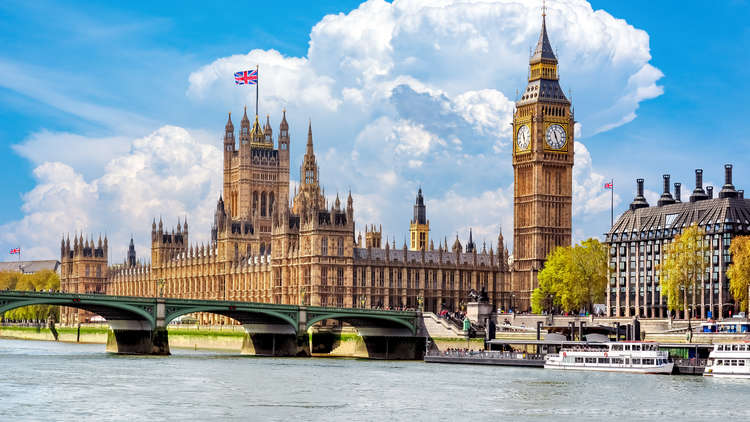
British enjoys visa-free entry to Vietnam for 45 days maximum (Source: Klook)
To qualify for visa-free entry, you must:
Travellers from Northern Ireland should pay particular attention to the passport they use. The Good Friday Agreement of 1998 recognises the right of eligible people of Northern Ireland to hold British citizenship, Irish citizenship or both. They can therefore hold a British passport, an Irish passport or both, subject to the relevant nationality requirements.
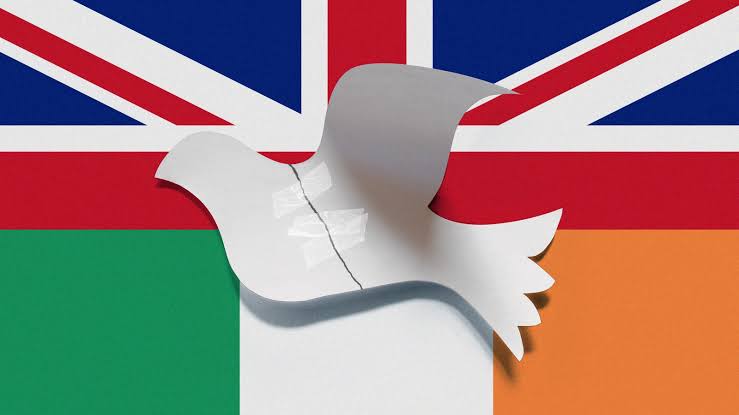
The Good Friday Agreement allows Northern Irish citizens to choose British or Irish passport (Source: The Atlantic)
If you travel on an Irish passport, you do not qualify for the British 45-day visa exemption and must apply for a Vietnam visa. If you hold both passports and use your British citizen passport, you can benefit from the exemption. Use the same passport to enter and leave Vietnam.
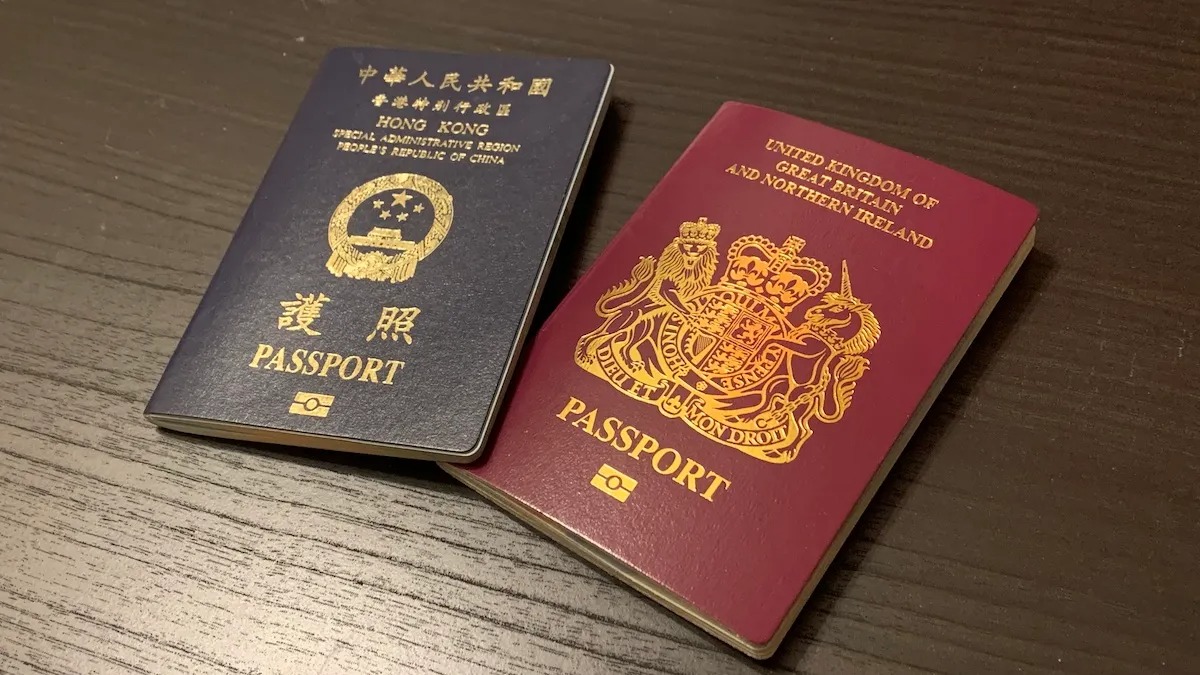
Vietnam visa exemption depends on your passport (Source: The Atlantic)
Yes, when travelling on a British citizen passport. British citizens living in overseas territories receive the same 45-day exemption as British citizens living in England, Scotland, Wales or Northern Ireland.
However, British citizens and British Overseas Territories citizens are separate nationality categories. Many people hold both statuses, but the words “British passport” alone do not establish that every holder has identical visa-free travel rights.
Check the Nationality field on your passport. If it states “British citizen”, the British citizen exemption applies. If it states “British Overseas Territories citizen”, confirm the applicable requirements with the Vietnamese Embassy before travelling without a visa.
The UK’s overseas territories include:
No. British National (Overseas), or BN(O), passport holders must obtain an appropriate visa to enter Vietnam. They are specifically excluded from the 45-day exemption available to British citizens.
BN(O) status was available to people who held British Dependent Territories citizenship through their connection with Hong Kong and registered before 1 July 1997. It does not automatically apply to everyone born in Hong Kong before that date.
To identify your passport category, check the Nationality field on its personal details page. “British citizen” and “British National (Overseas)” are different statuses with different Vietnam visa requirements.
If you intend to stay in Vietnam for more than 45 days, or your passport does not qualify for visa exemption, arrange an appropriate visa before departure.
A Vietnam e-visa allows a stay of up to 90 days, with single-entry and multiple-entry options. Apply through the official Vietnam e-visa portal.
Prepare the following:
Related blog post: Vietnam E-visa: The Ultimate Guide
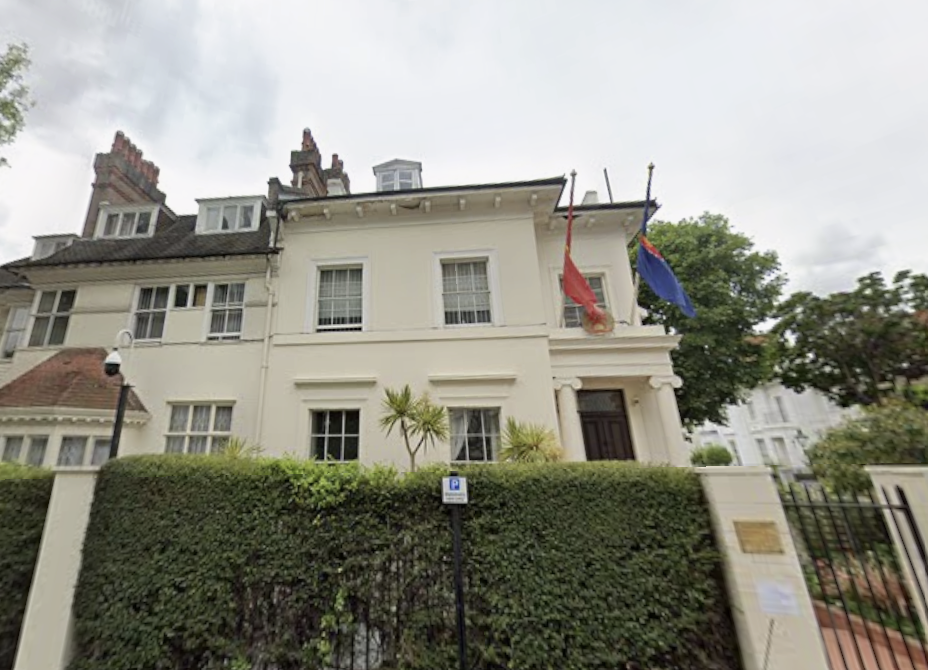
Vietnam embassy is located in London (Source: Google Map)
Contact the Vietnamese Embassy if you require an embassy-issued visa or guidance on a passport category such as BN(O).
The embassy’s published tourist visa requirements include:
Other types of visa such as work, business, preferential visas require additional document such as work permit, sponsorship letter.
Confirm the submission procedure and payment arrangements with the consular section before sending your documents.
Address: 12-14 Victoria Road, London W8 5RF
Email: [email protected]
The embassy lists in-person, postal and email application procedures, including collection and postal delivery options. Follow the instructions for the service you select.
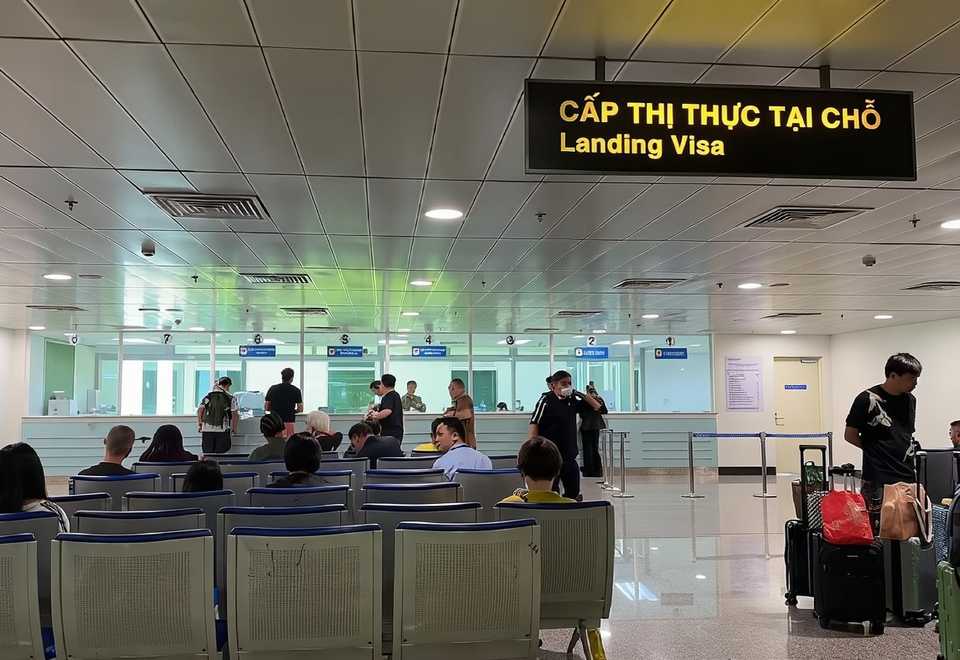
You can get Vietnam visa on arrival if you have visa approval letter (Source: collected)
Vietnam visa on arrival requires an approval letter before you travel. You must arrange approval from the Vietnam Immigration Department, then collect the visa at the airport specified in the approval.
This route is available for qualifying urgent or special circumstances. It is not a walk-up service for travellers arriving without the required advance approval.
Before departure, prepare your passport, printed approval letter, application form, photographs and visa issuance fee according to your approval instructions.
If you need assistance, provide UrgentVisaToVietnam with your passport details, travel purpose and flight itinerary. We can assess the available options and explain the documents, processing deadline and fees for your case.
Related blog post: Vietnam E-visa vs Visa On Arrival: Which Is Better? (Latest 2026)
|
Visa option |
Government or consular fee |
Service and urgent-processing fees |
Processing time |
|
E-visa |
$25 - $50 |
Additional if you use an assistance service |
3-5 working days or longer |
|
Embassy-issued visa |
Depends on visa types |
Additional charges for premium service or delivery, where applicable |
5-7 working days, according to the embassy |
|
Visa on arrival |
Visa issuance fee collected at the airport |
Approval-letter assistance and urgent-processing fees quoted separately |
Approval-letter processing must be confirmed before departure |
The e-visa government fees are $25 for single-entry and $50 for multiple entry. The published processing period starts after the authorities receive the complete application and payment. The embassy separately publishes a 5-7 working-day processing period and offers a premium service for an additional fee.
Working days exclude weekends and relevant public holidays. Allow additional time for corrections, supporting documents, approval letters and postal delivery. We recommend applying several weeks before your trip instead of relying on the shortest processing period.
If there is a delay in receiving your visa or you apply too close to your departure date, you should seek help from a visa agency. Contact us via: [email protected]

You can return to Vietnam after visitting a neighbor country (Source: CuaKhauQuocTeHuuNghi)
If you leave Vietnam and return on an eligible British citizen passport, you can receive another visa-free stay of up to 45 days, provided you meet the entry conditions on your return. Immigration will stamp your passport for the new entry.
For example, you can visit Vietnam, travel to China or Thailand, and return to Vietnam for another qualifying visa-free visit. Check the new permitted departure date before leaving the immigration counter.
If you plan to stay for 60 or 90 days, apply for a suitable visa before your trip.
If you enter visa-free and later decide to stay longer, arrange your next immigration step before your permitted departure date. Do not assume that submitting or receiving an e-visa extends your existing stay.
An e-visa obtained while you are in Vietnam must be used for a new entry: you need to leave the country and re-enter to begin using it. Contact the Vietnam Immigration Department or a visa assistance provider before your current permission expires.
The Vietnamese Embassy closes on public holidays and other dates announced on its website. Check its closure notices before booking an appointment or sending documents, and allow extra time around Vietnamese holidays that affect processing in Vietnam.
Vietnam is seven hours ahead of the UK during GMT and six hours ahead during British Summer Time. A request sent in the late UK afternoon reaches Vietnam in the evening. Take this into account when requesting assistance close to your flight.

You can fly directly from the UK to Vietnam (Source: Vietnam Airlines)
Vietnam Airlines operates direct flights from London Heathrow to Hanoi and Ho Chi Minh City, allowing you to travel without a stopover in another country.
The journey takes approximately 11-13 hours, depending on the route and schedule. Check your booking for the precise arrival time and date.
An overnight flight from London can arrive in Vietnam the following day. When completing your visa application, use your arrival date in Vietnam, rather than your departure date from the UK.
Do British citizens need a visa for a two-week holiday in Vietnam?
No. British citizen passport holders can visit Vietnam visa-free for up to 45 days, provided they meet the entry requirements.
Do I need to apply in advance for Vietnam’s 45-day visa exemption?
No. You do not need to submit a separate application for this exemption. Present your eligible passport on arrival and check the permitted departure date stamped by immigration.
Can I visit Vietnam for business under the visa exemption?
Yes. The exemption covers business visits as well as tourism. Working in Vietnam remains subject to separate visa and work-permit requirements.
Do British National (Overseas) passport holders need a Vietnam visa?
Yes. BN(O) passport holders must obtain an appropriate visa before travelling. They do not qualify for the British 45-day exemption.
Can I extend my 45-day visa-free stay in Vietnam?
There is no automatic extension of the 45-day exemption. If you need more time, arrange an appropriate immigration option before your stay expires. Receiving a new e-visa does not extend your current permission to remain in Vietnam.
Can I leave Vietnam and return for another visa-free stay?
Yes. You can receive another stay of up to 45 days when you return, provided you meet the exemption and entry requirements again.
Do UK residents with a foreign passport qualify for the Vietnam visa exemption?
No. Only residents with British passports qualify for Vietnam visa exemption
What should I do if my Vietnam e-visa is still pending before my flight?
Check the official portal for your application status and any request for corrections. If you need urgent assistance, send UrgentVisaToVietnam your application reference, passport details and flight time so we can assess the available options.