
Yes. Marshall Islands citizens holding ordinary passports must obtain a valid visa before entering mainland Vietnam. The Republic of the Marshall Islands (RMI) is not included in Vietnam's general visa-exemption list for ordinary passport holders.
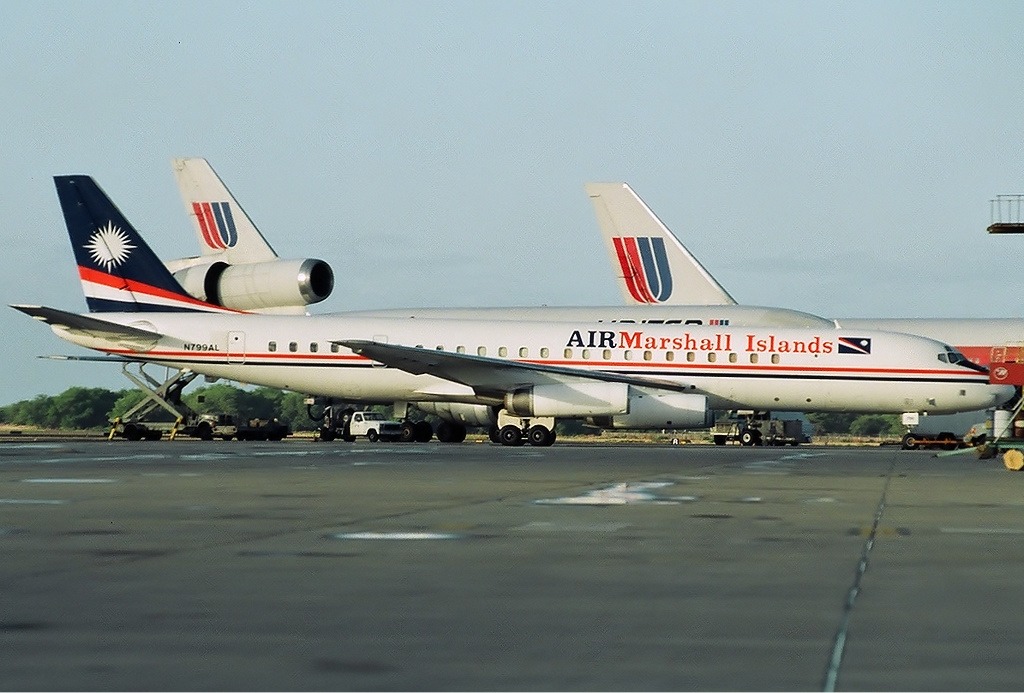
Phu Quoc Island allows 30-day visa-free entry for all nationalities (Source: Airlinercafe)
Marshallese ordinary passport holders can visit Phu Quoc Island without a visa for up to 30 days if they meet the special exemption conditions.
To qualify, travelers must:
The Phu Quoc exemption does not cover travel to mainland destinations such as Ho Chi Minh City, Hanoi, Da Nang or Hoi An. Travelers planning to visit these destinations should obtain an appropriate Vietnam visa before arrival.
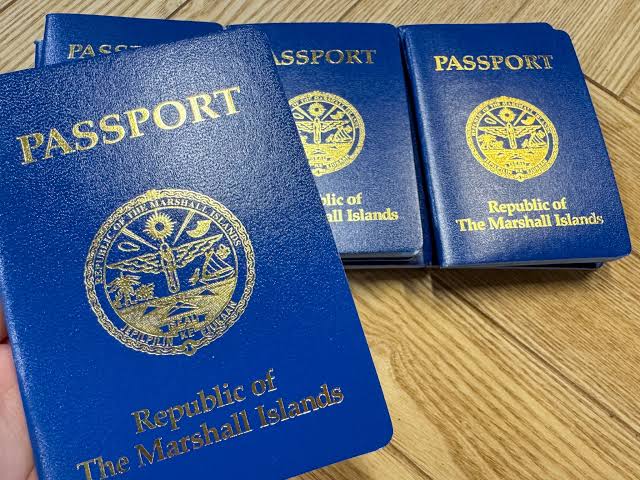
Passport of Republic of The Marshall Islands Citizen (Source: collected)
Until 2026, there’s currently no Vietnam embassy in the Marshall islands. Marshall Islands citizens can apply for a Vietnam e-visa online or use a pre-arranged visa-on-arrival procedure when eligible.
The Vietnam e-visa is the simplest option for most Marshallese tourists and short-term visitors. Applications can be submitted online without visiting a Vietnamese embassy.
To apply, prepare a digital image of your passport information page, a recent portrait photograph, your intended travel dates and your entry-point details. Complete the online form, pay the government fee and save your registration code. Once approved, download the e-visa and check that your passport details, validity dates and entry conditions match your travel plans.
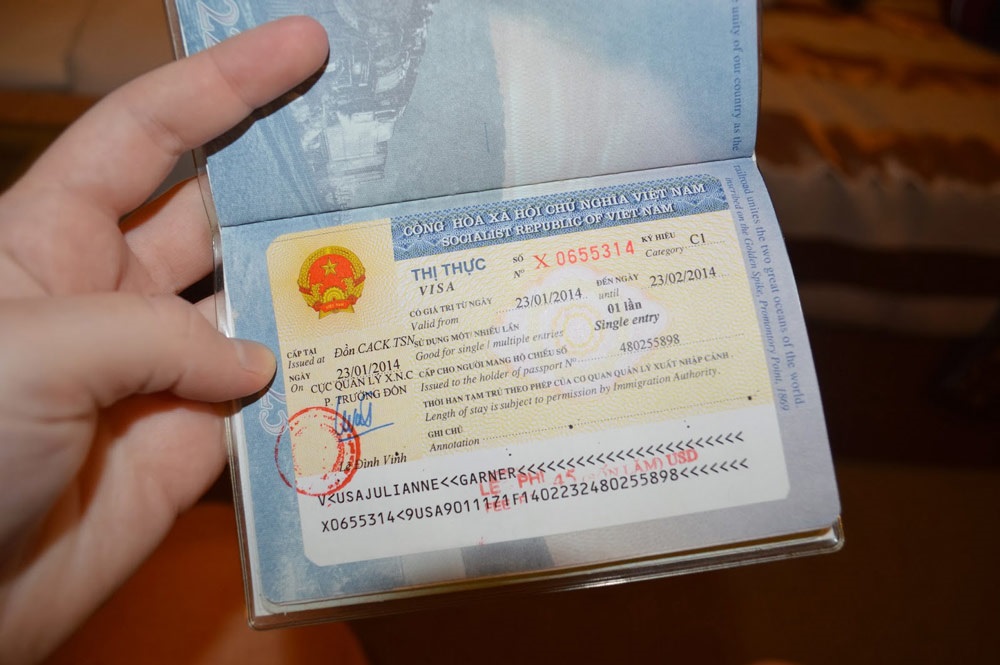
Vietnam visa on arrival sticked on passport (Source: collected)
Visa on arrival (VOA) is an alternative for travelers who qualify for a pre-arranged visa approval. Unlike an e-visa, VOA requires an appropriate approval letter before boarding the flight to Vietnam. Travelers cannot simply arrive at the airport and request a visa without prior authorization.
After receiving the approval letter, eligible travelers complete the visa issuance procedure at an authorized Vietnamese international airport and pay the applicable stamping fee. VOA is generally used for specific approved arrangements, including eligible urgent or organized travel cases.

Vietnam visa fees start from $25 (Source: Marshall Islands Pocket Guide)
The government fees for Vietnam visas are the same for Marshall Islands citizens as for other eligible nationalities. The required fee for a Vietnamese visa depends on its validity duration, rather than the visa type. The price list below covers only visa application fees; it does not include fees for obtaining related documents, such as work permits or proof of marital status.
|
Visa type |
Validity |
Government fee |
|
Single entry |
Any validity |
$25 |
|
Multiple entry |
Up to 3 months |
$50 |
|
Multiple entry |
Over 3 months to 6 months |
$95 |
|
Multiple entry |
Over 6 months to 1 year |
$135 |
|
Multiple entry |
Over 1 year to 2 years |
$145 |
|
Multiple entry |
Over 2 years to 5 years |
$155 |
Vietnam e-visas typically take 3-5 working days to process. Applications requiring corrections or additional review can take longer, so travelers should apply well before their scheduled flight. Travelers departing from the Marshall Islands should also allow time for connecting flights and possible changes to their itinerary.
If your flight is approaching and your e-visa is still pending, contains incorrect information or has not been issued, contact UrgentVisaToVietnam for urgent Vietnam visa assistance. Our team can help review your application and advise on available expedited processing options based on your departure date and case status.
Our contact:
Tel: +84.904.879.729
Tel: +1 (778) 788 2310
Email: [email protected]
The Compact of Free Association allows qualifying Marshall Islands citizens to enter, reside, study and work in the United States without obtaining a standard U.S. visa. However, Marshallese citizenship acquired by naturalization does not establish eligibility for these COFA immigration privileges.
U.S. immigration rules distinguish between citizens who acquired citizenship at birth, qualifying former Trust Territory of the Pacific Islands (TTPI) citizens and naturalized citizens. Under the COFA provisions, naturalized citizens seeking privileges based on the five-year residence category must satisfy these requirements:
This distinction matters if you plan to travel from Vietnam to the United States for employment, education or residence, or return to the Marshall Islands through a U.S. entry point.
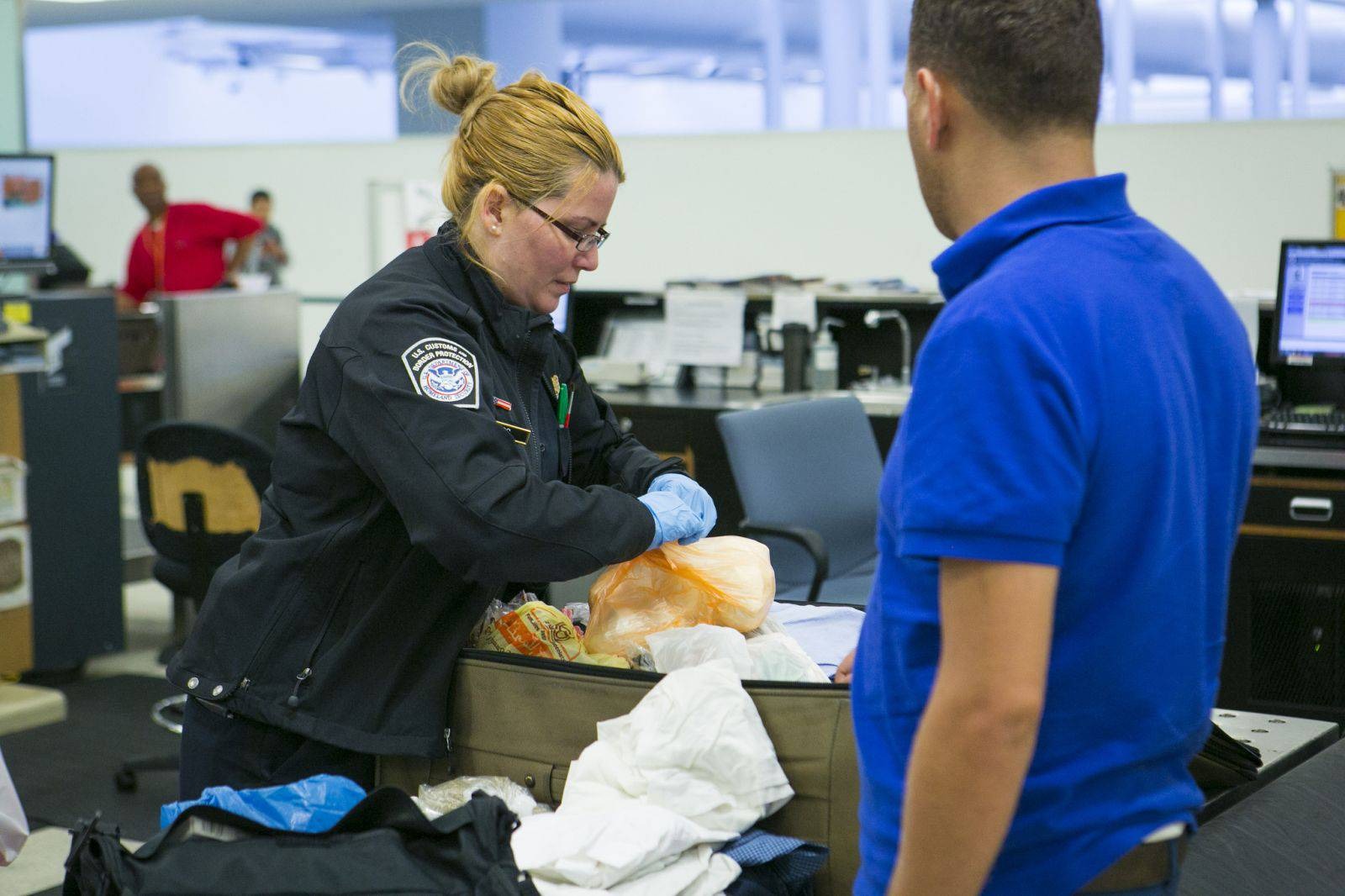
Custom checks at US airport (Source: Collected)
Flights between Vietnam and the Marshall Islands often involve connections through other Pacific destinations, including Guam or Honolulu. These connections can involve U.S. immigration and customs checks.
Before booking, check whether your itinerary requires you to enter the United States, collect and recheck baggage, or clear customs at the connecting airport. U.S. Customs and Border Protection (CBP) can inspect agricultural products and other restricted goods even when the United States is not your final destination.
Vietnamese souvenirs and food products that can cause problems include:
U.S. authorities require agricultural products to be declared. Restricted or prohibited items can be refused entry or confiscated, and failing to declare them can lead to penalties.
For travelers bringing gifts home from Vietnam, checking CBP import restrictions before shopping is particularly useful. An item legally purchased in Vietnam is not necessarily permitted through U.S. customs.
Can Marshall Islands citizens apply for a Vietnam e-visa online?
Yes. Marshall Islands citizens can apply for a Vietnam e-visa through the official government portal without visiting an embassy.
How long can Marshall Islands citizens stay in Vietnam?
A Vietnam e-visa can be valid for up to 90 days, subject to the dates and conditions stated on the approved visa.
Can Marshallese citizens visit Phu Quoc without a visa?
Yes. They can qualify for the 30-day Phu Quoc visa exemption if they meet the island's entry conditions.
Does COFA allow Marshall Islands citizens to enter Vietnam without a visa?
No. COFA concerns immigration arrangements between the Marshall Islands and the United States, not Vietnam.
Do naturalized Marshall Islands citizens need a Certificate of Actual Residence to transit through Guam?
Naturalized citizens relying on the applicable five-year residence category of COFA privileges need a Certificate of Actual Residence. Other eligibility categories and U.S. entry permissions must be assessed separately.