


At Tan Son Nhat Airport (SGN), most international arrivals go through Terminal 2 immigration before collecting baggage and clearing customs. Visa-exempt and e-visa travelers can go directly to passport control, while Visa on Arrival (VOA) travelers must visit the VOA counter first. This guide explains the SGN immigration process, typical wait times, required documents, and when Fast Track can help you get through the airport more smoothly.
Quick answers
|
What you need to know |
At a glance |
|
International arrivals |
Terminal 2 (T2) → Immigration on Level 1 → Baggage claim & customs on the ground floor |
|
Immigration wait time |
15 min-2 hours normally; 1-3 hours during busy late-night periods |
|
What to prepare |
Passport valid for 6+ months + visa/visa exemption + PAI QR code |
|
Fastest arrival option |
Visa-exempt travelers go straight to immigration; e-visa holders also skip the VOA counter |
|
Need to avoid queues? |
Tan Son Nhat Fast Track can provide meet-and-assist and priority immigration access, depending on the package |
Quick tip: If you are using Visa on Arrival (VOA), go to the VOA conter before joining the passport control queue. E-visa and visa-exempt travelers can go directly to immigration.
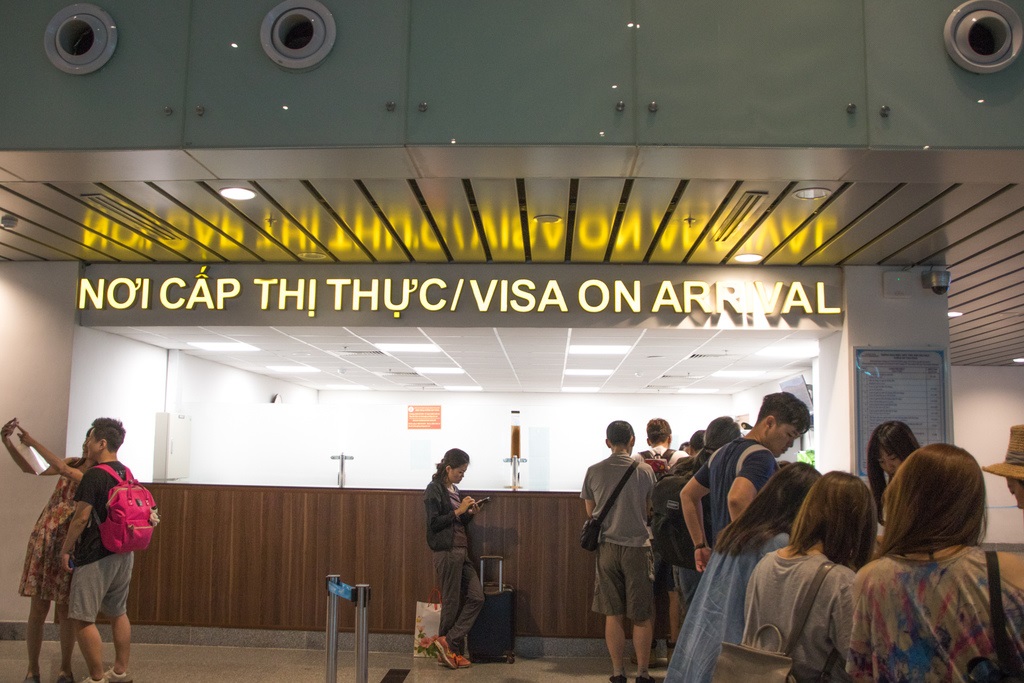
Our fast track service helps you avoid long queue (Source: VinWonders)
Your immigration process at SGN depends primarily on how you are entering Vietnam. Travelers generally fall into one of three groups: those using a visa exemption, those holding an e-visa, and those arriving with a Visa on Arrival approval letter.
|
Criteria |
Visa exemption |
e-Visa |
Visa on Arrival (VOA) |
|
Who it's for |
Citizens of exempt countries, up to 45 days |
Citizens of all countries and territories eligible under current rules |
Air travelers who need a visa and use an approval letter |
|
Government fee |
Free |
$25 single entry / $50 multiple entry |
$25 / $50 stamping fee, paid in cash |
|
Other costs |
None |
Service fee if using an agency |
Approval letter service fee |
|
Before you fly |
Passport valid for 6+ months |
Apply online; allow 3-5 working days |
Obtain an approval letter, normally 2-3 working days |
|
At SGN |
Go directly to passport control |
Go directly to passport control |
Visit the VOA counter first, then passport control |
If you have enough time before your trip, an e-visa is generally the more straightforward option for travelers who are not visa-exempt. You complete the application before departure and avoid the additional VOA stamping step at the airport.

An e-visa allows for a smoother entry process (Source: Baochinhphu.vn)
Related blog post: Vietnam E-visa: The Ultimate Guide
Vietnam currently has two unilateral 45-day visa exemption programs covering different groups of countries. The first covers 12 countries for any lawful purpose: Germany, France, Italy, Spain, the UK, Russia, Japan, South Korea, Denmark, Sweden, Norway and Finland. This program operates under Resolution 44/NQ-CP from March 15, 2025 to March 14, 2028.
The second covers 12 countries for tourism purposes: Belgium, Bulgaria, Croatia, the Czech Republic, Hungary, Luxembourg, the Netherlands, Poland, Romania, Slovakia, Slovenia and Switzerland. This program runs from August 15, 2025 to August 14, 2028 under Resolution 229/NQ-CP.
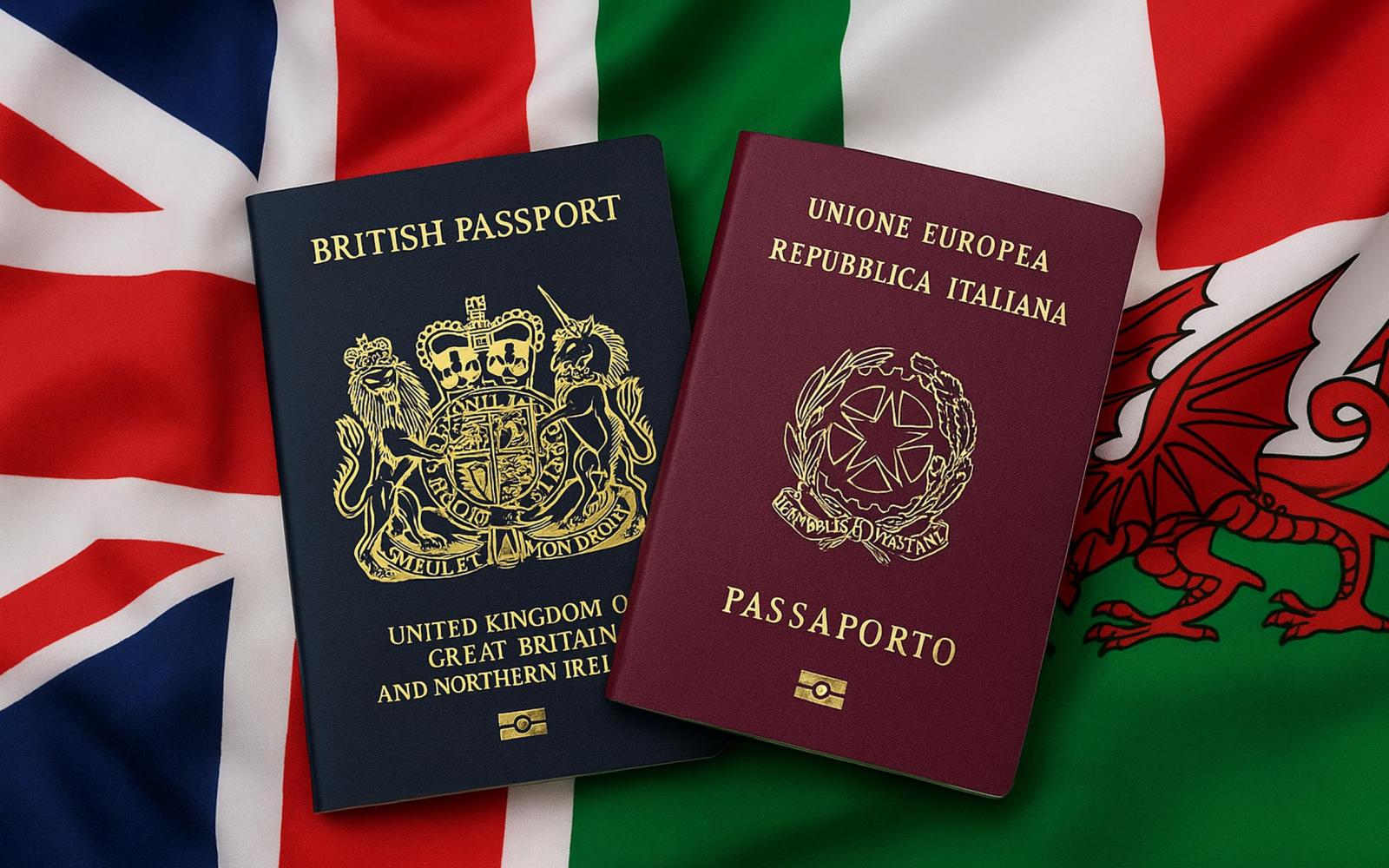
UK and Italian passport can enter Vietnam visa-free for tourism purpose (Source: collected)
Related blog post: Vietnam Visa Exemption 2026 (Countries, Durations & Conditions)
Whether you need a visa for Vietnam depends on your nationality and how long you plan to stay. If you are not eligible for visa exemption, you can generally apply for a Vietnam e-visa, which is available to citizens of all countries and territories and allows stays of up to 90 days, with either single or multiple entry.
For e-visas, the government fee is $25 for single entry or $50 for multiple entry under Circular 28/2026/TT-BTC, effective April 1, 2026. Official processing is targeted at 3 working days, but allowing 3-5 working days is safer, especially if you are travelling close to a Vietnamese public holiday.
Before flying, make sure your travel documents are in order. Airlines may refuse boarding if you do not have the visa, e-visa or other entry documents required for your nationality, and your passport should be valid for at least 6 months from your entry date. It is better to resolve any visa issue before you reach Tan Son Nhat rather than risk being turned away at the airport.
If your flight is approaching and you still do not have the required visa, see our urgent Vietnam visa service.
All nationalities are eligible to get e-visa (Source: Laodong.vn)
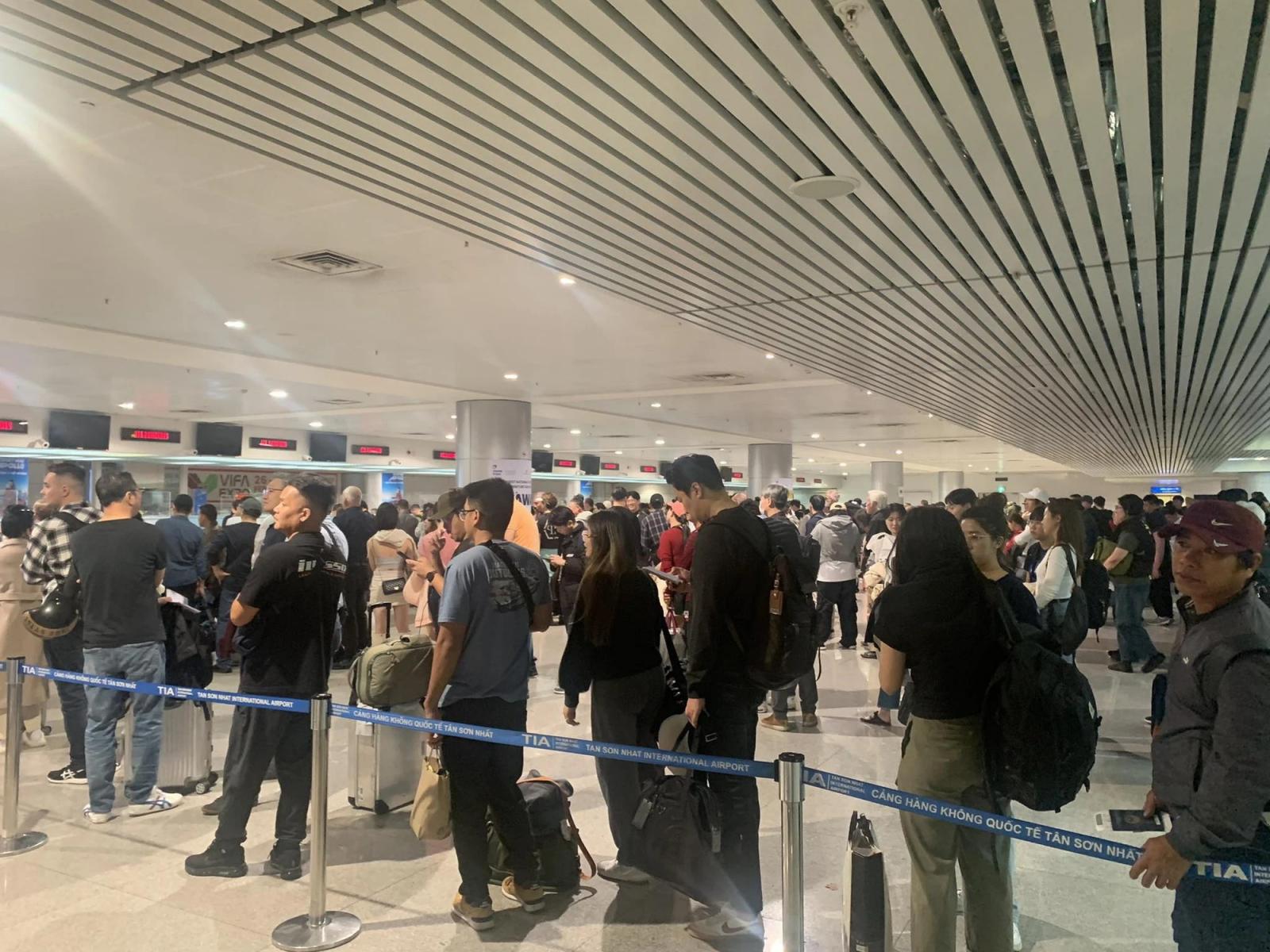
There is no fixed Tan Son Nhat immigration wait time because the queue changes according to flight schedules and the number of passengers arriving at the same time. A quiet arrival period can be relatively quick, while several international flights landing together can create a long queue.
|
Stage |
Estimated time |
|
Passport control queue, normal periods |
15 minutes-2 hours |
|
Passport control during peak periods, roughly 10:30 PM-1:00 AM |
1-3 hours |
|
VOA counter processing |
15-30 minutes, plus queue time |
|
Landing to leaving the airport |
Around 1-2 hours, up to 3 hours when busy |
These figures are estimates rather than official airport service standards. Your total arrival time also depends on how quickly you reach immigration from the gate, whether you need VOA processing, how long baggage collection takes and how busy customs is.
For that reason, avoid booking a very tight airport transfer or domestic connection immediately after an international arrival. If your schedule is inflexible, Fast Track Service can reduce the amount of time spent waiting in regular queues.
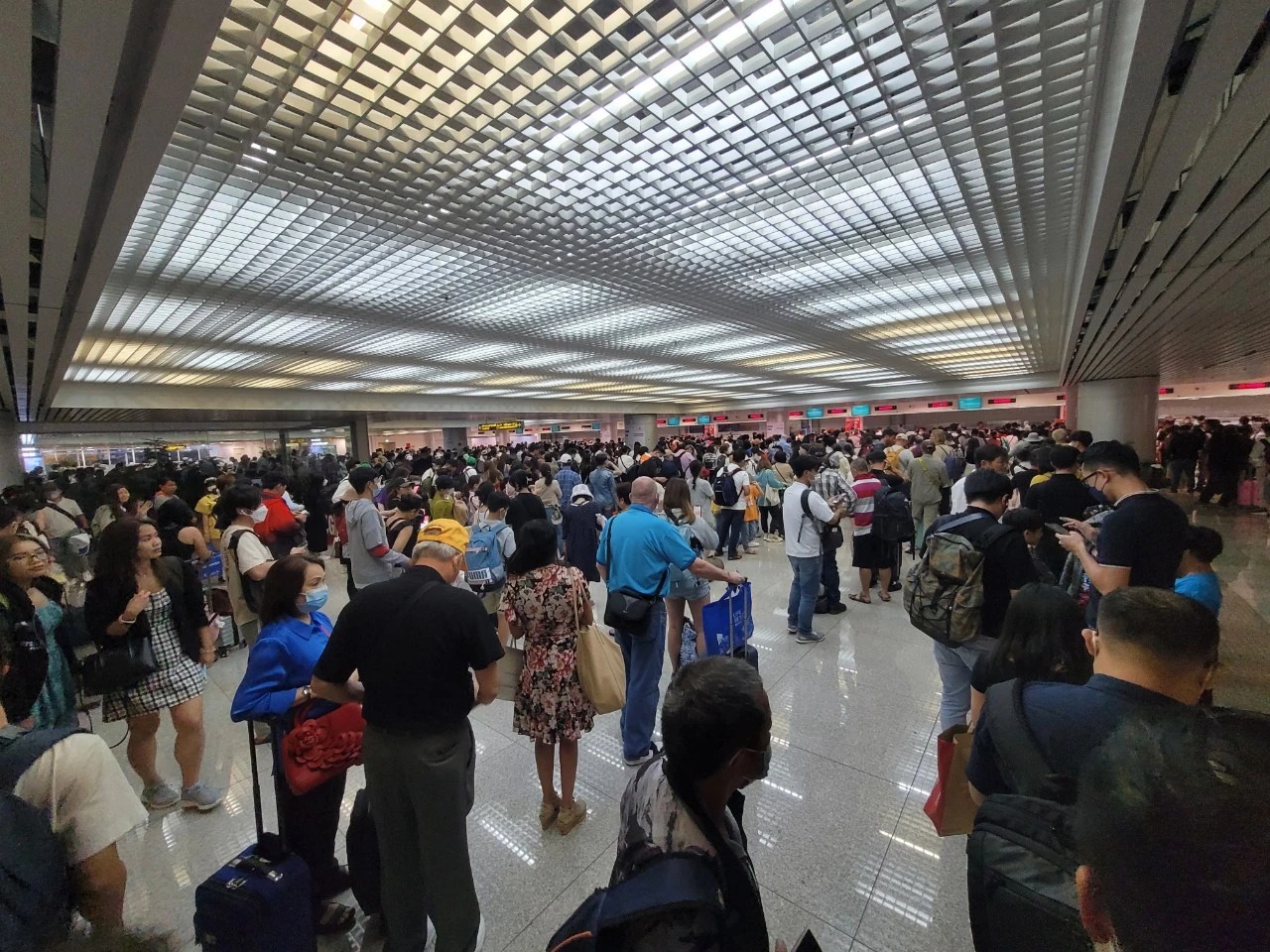
Immigration queue at Tan Son Nhat can be extremely long (Source: Baothanhnien)
Once you leave the aircraft, follow the Arrivals / Immigration signs toward Terminal 2's immigration area. The walk from most gates takes around 5 to 8 minutes.
Your exact route depends on your visa type. VOA passengers have an additional step before passport control, while travelers with an e-visa or visa exemption can proceed directly to immigration.
Step 1: Follow the signs to immigration
After landing, follow the airport signs for Arrivals / Immigration. Keep your passport and travel documents easily accessible rather than packing them away in your carry-on.
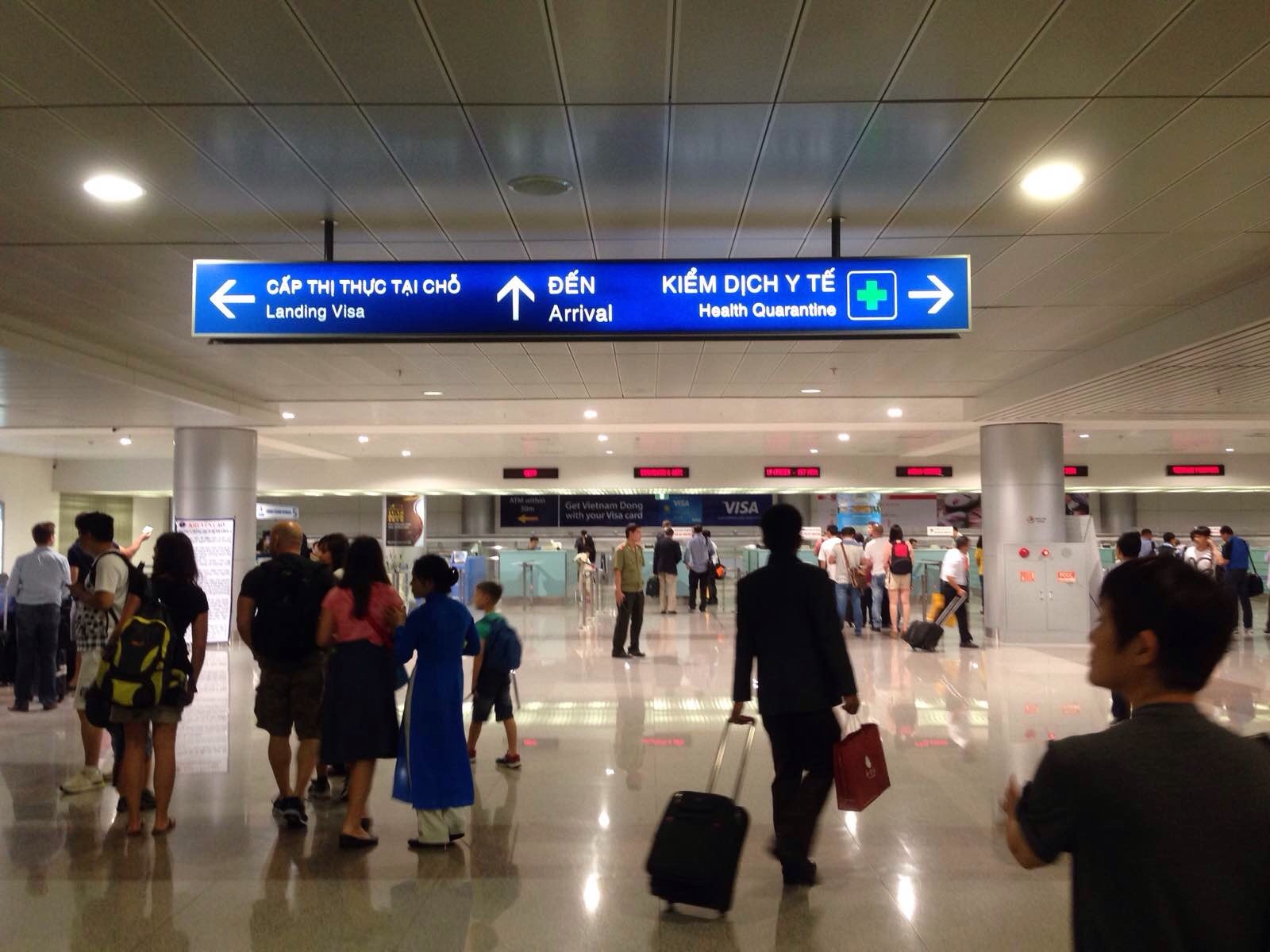
There will be signed in English for foreigners to follow easily (Source: collected)
Step 2: VOA travelers visit the VOA counter first
If you are entering with a Visa on Arrival, go to the VOA counter on Level 1 before joining the passport control queue.
You will need your passport, printed approval letter, completed NA1 entry/exit form, two 4x6 cm photos and the stamping fee in cash. Once you reach the counter, stamping normally takes around 15 to 30 minutes, although the queue can add considerably more time.
Step 3: Go through passport control
After completing any required visa processing, join the appropriate passport control lane.
Have your passport, visa or e-visa and PAI QR code ready. Keeping these documents together makes the process easier and avoids having to search through your luggage while you are at the counter.
Step 4: Collect your luggage
After passport control, follow the signs to baggage claim. Baggage collection is on the ground floor, one level below the immigration area.
Check the airport display boards for your flight and carousel number. If your bag does not arrive, contact the airline's baggage service desk before leaving the restricted area.
Step 5: Clear customs
Once you have your luggage, proceed through customs. Declare anything that falls within the applicable declaration requirements before entering the public arrivals area. International arrivals exit through doors A1 and A2.
Step 6: Continue into Ho Chi Minh City
After customs, you can continue into the city using taxis, Grab or public buses. The arrivals hall also has ATMs, SIM card counters and currency exchange facilities.
If someone is collecting you, agree on the meeting point before your flight because a busy arrivals hall can make it difficult to find each other.
An international arrival connecting to a domestic flight still needs to complete immigration and customs, collect baggage and transfer to the domestic terminal.
Do not treat the connection as a simple airside transfer. Allow plenty of time between flights, especially if you are arriving during a busy period.
Vietnam introduced the Pre-arrival Information (PAI) system at Tan Son Nhat as part of a pilot beginning April 15, 2026.
The system allows travelers to submit passport, visa, flight and accommodation information online up to 3 days before arrival. After completing the information, travelers receive a QR code that can be presented at immigration. The purpose is to allow immigration officers to retrieve the traveler's information electronically rather than entering the details manually at the counter.
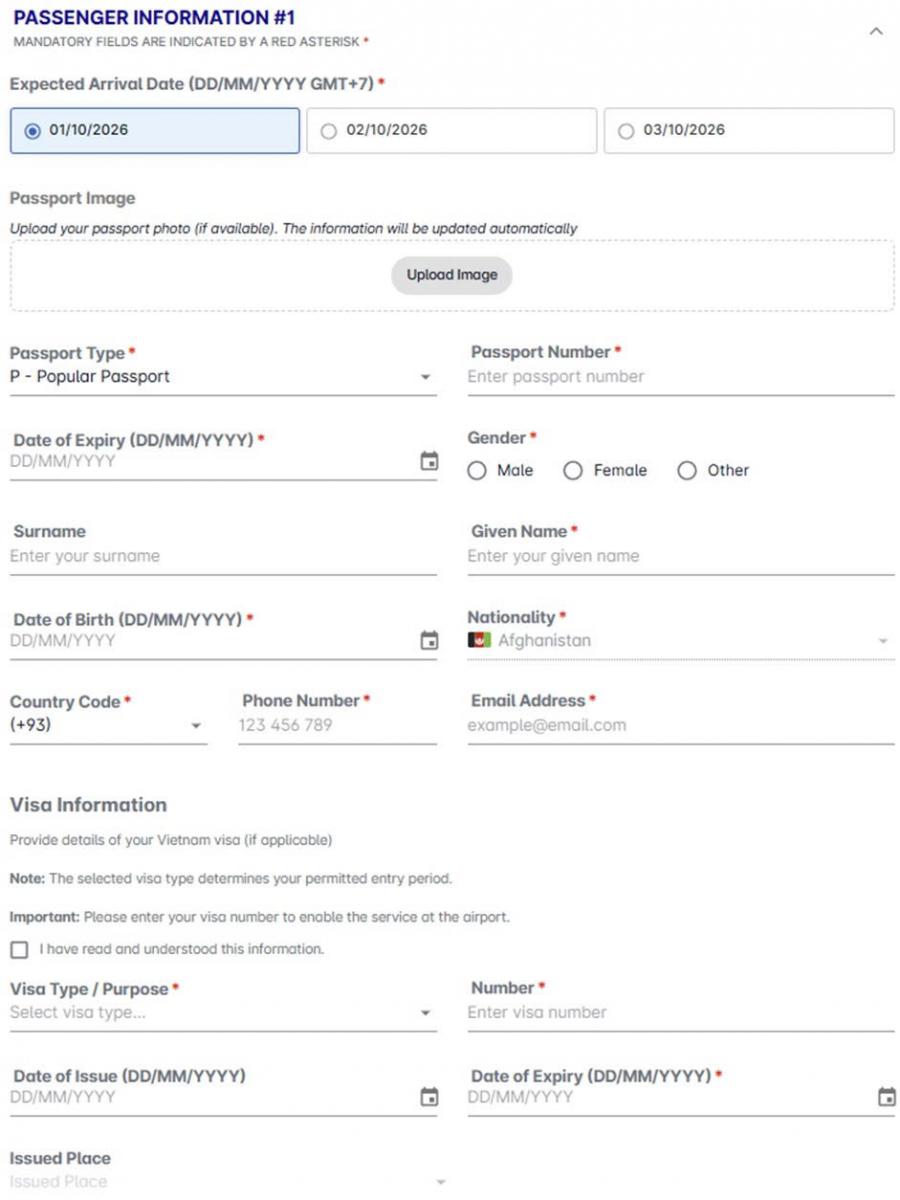
Fill out the form for Pre-arrival card to save time at airport
The requirement has changed since the system was introduced.
Since July 30, 2026, stated that foreigners and overseas Vietnamese entering on a visa must submit their details before arrival at Tan Son Nhat. Transit passengers are exempt.
The Ministry of Public Security has also indicated that the system will be expanded nationwide, while implementation at individual airports may vary.
Because the system is free and takes only a few minutes, completing it before your flight is a practical way to prepare for immigration. You should complete the PAI before every trip, including when you are visa-exempt, although the official notices primarily refer to travelers entering on a visa.
The PAI is not a visa application and does not replace your visa or visa exemption. Use only the official portal: prearrival.immigration.gov.vn. The service is free, so be cautious of websites that ask you to pay for the declaration or provide card details.
Once completed, save the QR code to your phone. A printed backup is also useful in case your phone battery dies or you have difficulty accessing the internet after landing.
Tan Son Nhat Visa on Arrival (VOA) is not a visa that you simply purchase after landing. The process has two separate stages: obtaining an approval letter before the flight and receiving the visa stamp at the airport.
First, an agency obtains an approval letter from the Vietnam Immigration Department. After arriving at SGN, you take that letter to the VOA counter and pay the applicable stamping fee. You cannot obtain VOA at the airport without an approval letter. VOA is also available only for travelers arriving by air, and airlines can refuse boarding if you do not have the required approval letter.
Prepare these documents before leaving for the airport:
You can download the form NA1 and check the photo requirements before departure.
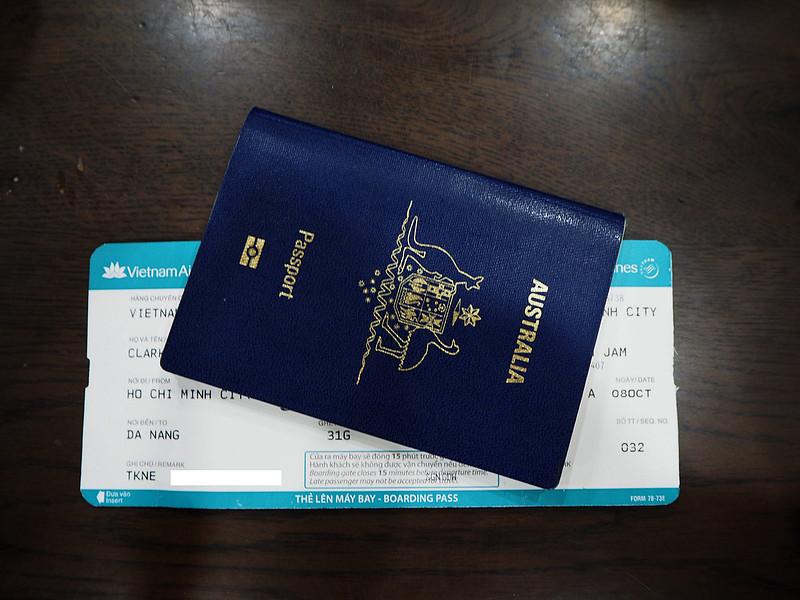
Your passport should be valid at least 6 months (nomadicnotes.com)
Standard approval-letter processing takes around 2 to 3 working days. Urgent options may be available for travelers with shorter deadlines.
At the airport, visa stamping itself generally takes around 15 to 30 minutes once you reach the counter, but this does not include the queue. The approval letter service fee is separate from the government's stamping fee.
If you need an approval letter urgently, Urgent Visa To Vietnam offers rush approval letters with 24/7 support. Contact us through hotline +84.904.879.729 with your flight date so the available option can be checked.
Tan Son Nhat fast Track Service or Vietnam Arrival Assistance is a meet-and-assist service designed to make the arrival process easier and reduce time spent navigating airport queues.
An agent meets you after landing, usually with a welcome sign, and guides you through the relevant arrival procedures. Fast Track does not replace a visa, remove immigration checks or guarantee entry into Vietnam. Its main benefit is assistance with the process and access to priority queues where the selected package provides them.
The service options include:
Tan Son Nhat Fast Track prices
|
Package |
1 person |
2-3 people |
4+ people |
|
Standard |
$35/person |
$33/person |
$30/person |
|
VIP |
$55/person |
$53/person |
$50/person |
Fast Track can be particularly useful for:
If you already have an e-visa or qualify for visa exemption, you do not need visa stamping. In that situation, the main additional benefit of the VIP service is the private line at passport control.
On the other hand, travelers arriving at a quiet time and those who are comfortable waiting in the regular immigration queue may find that standard processing is sufficient.
See our arrival assistance page to book Fast Track together with your visa. If you are leaving Vietnam soon, see departure assistance and airport car pickup.
Tan Son Nhat Fast Track helps you save a lot of time (Source: Baothanhnien)
Most problems at SGN immigration are avoidable if your documents are prepared before departure.
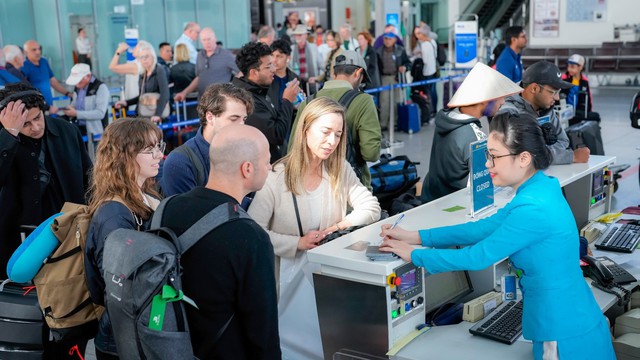
Remember to bring some cash when arriving at the airport (Source: Baothanhnien)
Related blog post: 5 Common Mistakes When Applying for a Vietnam Visa and How to Avoid Them
Which terminal handles international flights at Tan Son Nhat?
Terminal 2 (T2), immigration and the VOA counter are on Level 1, while baggage claim and customs are on the ground floor.
Can I get a visa at Tan Son Nhat Airport without an approval letter?
No. Travelers using VOA need an approval letter obtained before arrival. Alternatively, travelers can apply for an e-visa before flying if eligible.
How much does a Visa on Arrival cost at SGN?
The government stamping fee is $25 for single entry or $50 for multiple entry, payable in cash at the airport. The approval letter service fee is charged separately by the agency providing the service.
How long does a Visa on Arrival take at Tan Son Nhat?
The visa stamping process generally takes around 15 to 30 minutes at the counter, excluding the queue. Standard approval-letter processing takes around 2 to 3 working days, although urgent services may be available.
How long does a Vietnam e-visa take?
The official processing target is 3 working days. As a practical buffer, allow around 3 to 5 working days, and apply earlier if you are traveling around a Vietnamese public holiday.
Can I use an e-visa at Tan Son Nhat?
Yes. Travelers with a valid e-visa can go directly to passport control. There is no separate stamping fee at the airport.
Can I change my port of entry after getting my visa?
It depends on the type of visa. A VOA approval letter specifies the airport, so changing the arrival airport may require a new or amended approval letter.
For an e-visa, check that your intended arrival airport is included among the official entry ports covered by the e-visa. Do not assume that changing your flight automatically changes the port stated on your visa.
Is Fast Track available for departures?
Yes. Departure Fast Track can provide assistance with check-in and security procedures and access to a priority waiting area.
Do I need the NA1 form?
VOA travelers fill out the NA1 form either on the plane or at the VOA counter. Requirements for other travelers have changed with the introduction of the PAI system, so follow the latest instructions from your airline and airport immigration staff.
.jpg)
Vietnam visa run vs extension - compare cost, speed and hassle side by side, plus a decision tree based on hours until your flight. Choose the fastest option.
The best option for expats in Da Nang/Hanoi. See the required documents (e-Visa, photos), and costs for a fast and secure land border visa run to Laos.
Renew your Vietnam stay with the fastest land border run. Get the checklist for Moc Bai: e-Visa, photos, stamping fee, and step-by-step for the border crossing.