


Applying for a Vietnam visa can be straightforward, but small mistakes can still cause delays, rejection, or problems at the border. This guide covers the 5 most common Vietnam visa mistakes, including incorrect photos, passport-data typos, wrong entry details, late applications, and unreliable application channels, plus practical ways to avoid them.
The five most common Vietnam visa mistakes-wrong photos, data typos, port-of-entry errors, wrong visa type, and last-minute timing-account for many avoidable delays and rejections. A quick check before submission can help you catch most of these problems before they affect your trip.
|
Mistake |
Main risk |
How to avoid it |
|
Incorrect or non-compliant photo |
Rejection or processing delay |
Check photo format and image quality |
|
Passport or personal-data typo |
Application rejection or entry problems |
Match every field with your passport |
|
Wrong port or visa type |
Entry may be refused |
Check your intended checkpoint and travel purpose |
|
Applying too late |
Not receiving the visa before departure |
Apply early or use an urgent option |
|
Unofficial application channel |
Incorrect application or lack of support |
Use the official channel or a reputable service |
The current Vietnam e-visa application requires applicants to provide a portrait photo and a copy of the passport data page, along with personal, passport, and trip information. The official system also requires applicants to select their intended entry and exit checkpoints.
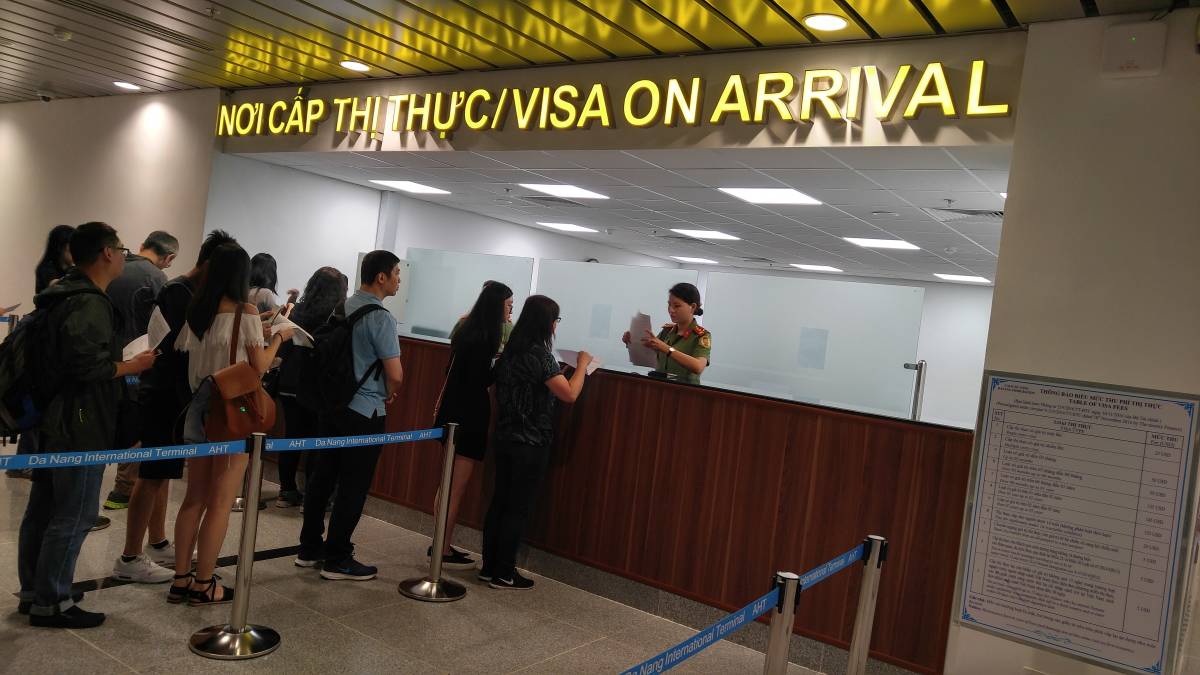
Only airport entry can grant you visa on arrival (Source: Consulate General of Vietnam in Houston)
Non-compliant photos are a common reason an online Vietnam visa application can run into problems, and they are largely preventable when you prepare the image correctly.
For a Vietnam e-visa application, the official Immigration Department system requires a portrait photo and a passport data-page image. The current system specifies that the portrait image must be under 2MB.
For the portrait photo, use a recent passport-style image that clearly shows your face. The service guidance currently used by UrgentVisaToVietnam recommends a 4 × 6 cm photo with a white background, facing straight at the camera and without glasses.
Before submitting, check that:
If your photo does not meet the requirements, your application is likely to be rejected, and the time it takes to receive your visa will be prolonged.
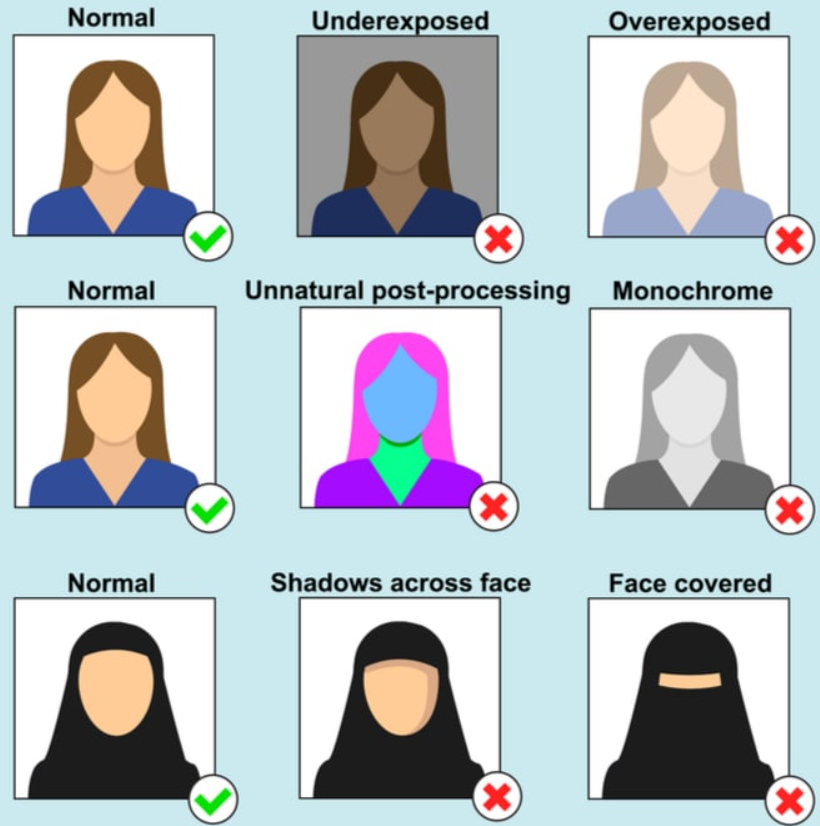
You should follow the photo rule
A single mismatched character between your application and passport can cause problems, so every field must match your passport exactly.
The Vietnam e-visa application asks for details including your surname, given name, date of birth, nationality, passport number, passport issue and expiry dates, and other personal information. The official application specifically instructs applicants to enter their surname using the international characters shown in the passport's ICAO line. Pay particular attention to every detail you fill in your application form.
Date formats are another easy place to make an error. The current application system displays dates in DD/MM/YYYY format, so check the format carefully rather than relying on the format used in your home country.
Best practice: Keep your passport open while completing the form and compare each field character by character before submitting.
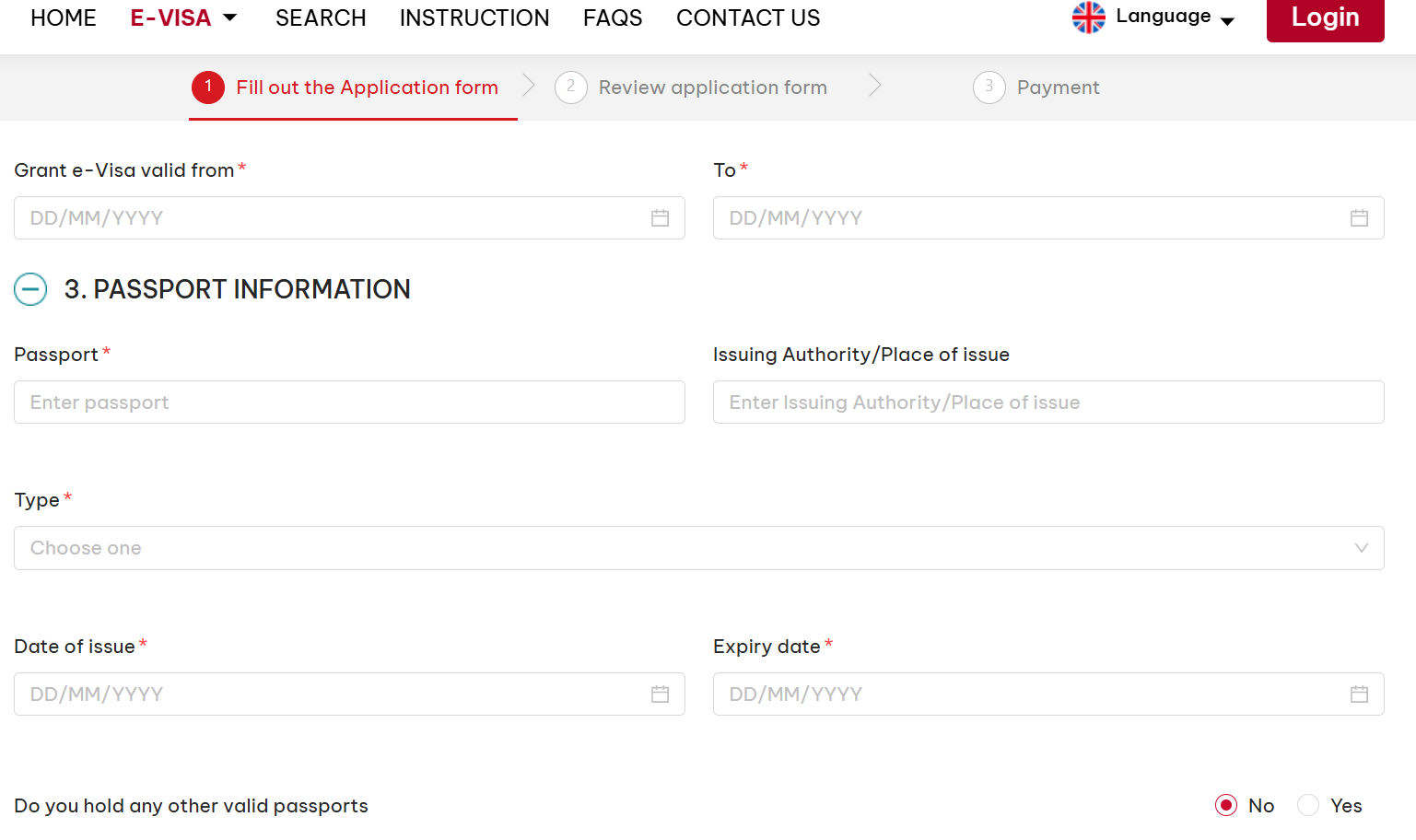
Vietnam e-visa portal requires date in DD/MM/YYYY format
Selecting a port of entry not covered by your e-visa/visa on arrival, or choosing a visa option that does not match your travel circumstances, can cause problems even when your application has otherwise been approved.
Vietnam's e-visa system requires applicants to select an intended entry checkpoint and exit checkpoint listed in 81 eligible ports of entry to Vietnam.
Before submitting your application:
For example, an e-visa holder should not assume that any airport or land border can be used simply because Vietnam accepts e-visas generally. The official Immigration Department publishes a designated list of checkpoints for e-visa entry and exit.
If your itinerary changes after applying, check your approved visa carefully before traveling rather than assuming the change is automatically covered.
Related blog post: Vietnam E-visa Not Working
Underestimating processing time is a common mistake, but urgent processing options may still help travelers who have submitted an application close to departure.
Standard Vietnam e-visa processing is generally 3–5 working days or longer during busy periods. If your flight is approaching, do not simply wait and hope that the application will be approved in time. First check the current application status and determine how much time remains before departure.
A practical approach
UrgentVisaToVietnam currently offers expedited options for both new e-visa applications and pending applications, with processing tiers ranging from several working days to same-day options. Availability depends on the application and selected processing tier.
If you need urgent assistance, see our Vietnam e-visa service for available options.
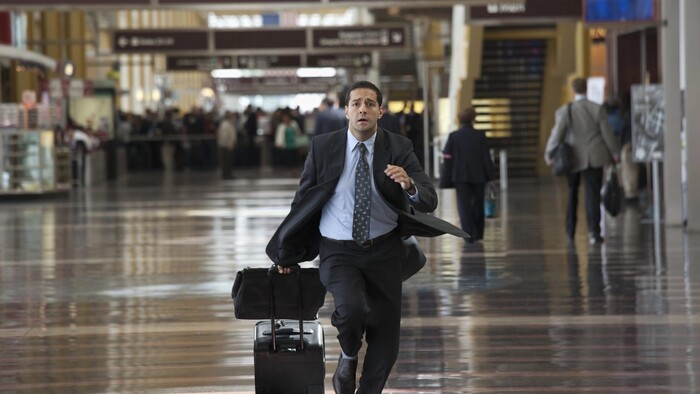
Avoid applying too late (Source: collected)
Applying through an unverified channel can create unnecessary risks, particularly when the provider does not clearly explain what is included in the price or does not properly review your application information.
Vietnam's Immigration Department operates an official e-visa application system. Travelers using a third-party service should also check what the service actually provides and whether the pricing clearly separates government fees from service charges.
Before paying a visa service, check whether:
A reputable visa service should do more than collect your payment. It should help identify avoidable errors before the application is submitted and provide a clear process for urgent or problematic cases.
.jpg)
Be aware of fake websites
Doing it right the first time means running a pre-submission checklist that verifies your photo, personal data, port, and visa type before payment.
Have your passport data page and required portrait photo ready before starting the application. Check the image format and file-size requirements first.
Enter your personal and passport information directly from your passport. Do not rely on memory or copy information from an old application without checking it.
Confirm:
The official application includes these travel details as part of the e-visa form.
Do a final comparison between the application and your passport. Check names, passport numbers, dates, photos, and entry information one more time before completing payment.
Save your application number or registration information so you can check its status and retrieve the approved e-visa when it becomes available.
If you use a professional visa service, the review should cover the same key points before submission, including document quality, personal data, travel details, and entry checkpoint.
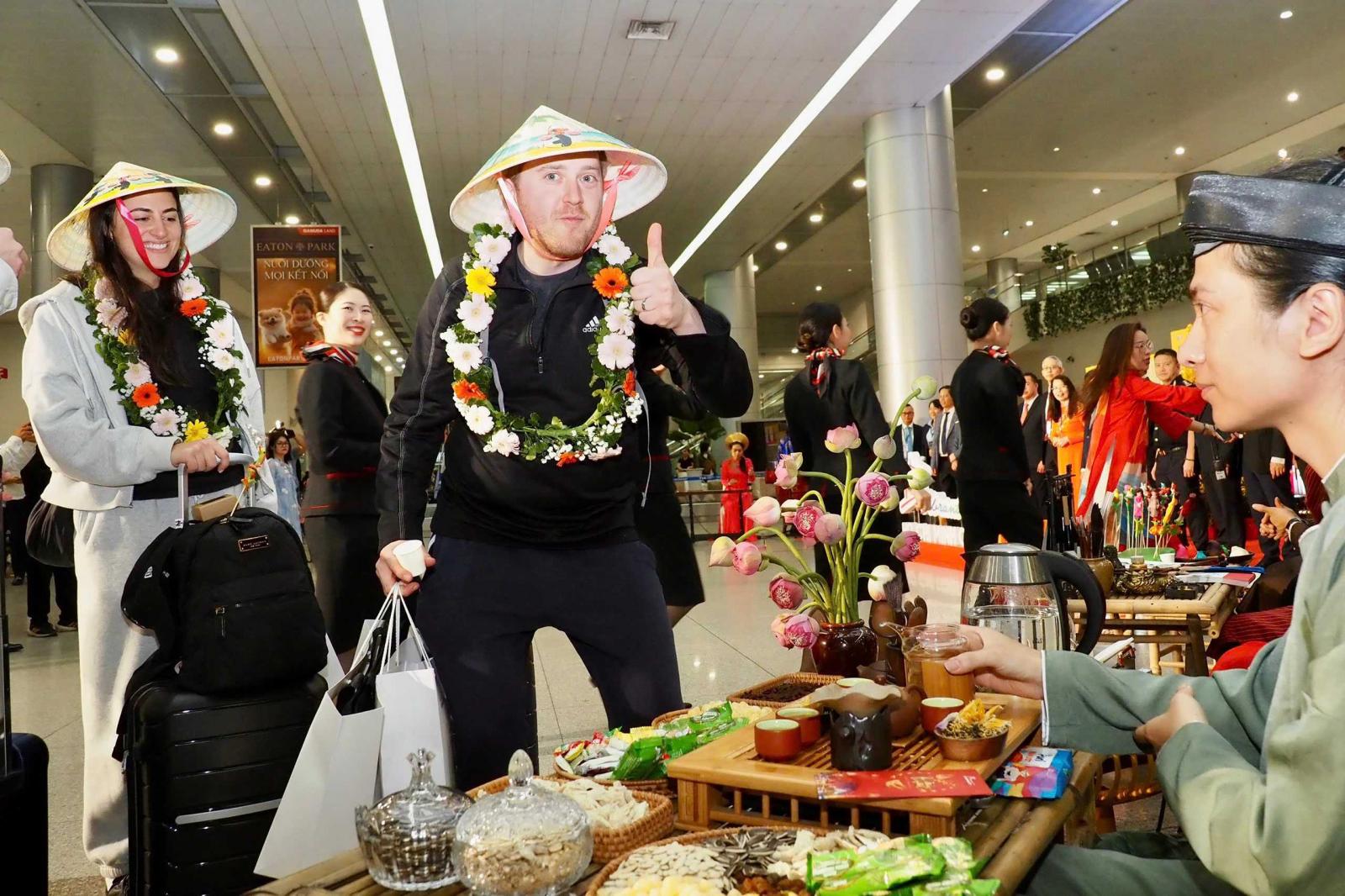
Correct your visa application to have a smooth trip to Vietnam (Source: collected)
If you have already submitted an error, a fast correction and expedited resubmission may still help protect your travel plans.
The appropriate solution depends on what the mistake is and whether the application has already been processed.
Since 2010, we understand how to handle Vietnam visa applications efficiently and accurately, including cases where travelers have urgent deadlines.
If you are unsure whether your application contains an error, get your professional advice via our whatsapp/phone +84.904.879.729/+1 (778) 788 2310. Email contact is available at [email protected].
FAQ
What is the most common Vietnam visa mistake?
Non-compliant photos are among the most common avoidable problems, followed by errors in passport and personal data. Checking your documents before submission can prevent many of these issues.
Can a typo get my Vietnam visa rejected?
Yes. Your application information should match your passport exactly, and incorrect personal or passport details can lead to rejection or problems using the visa.
Does the wrong port of entry cause problems?
Yes. E-visas are accepted only at designated checkpoints, so you should select an approved entry port that matches your travel plans.
How do I avoid Vietnam visa mistakes?
Use a pre-submission checklist covering your photo, passport data, intended entry and exit ports, visa type, travel dates, and other required information.
Can I fix a Vietnam visa mistake after submitting?
Yes. Depending on the error and application status, you may need to correct the information through the appropriate process or submit a new application.
Is it safer to apply through a service?
Yes. A reputable service can review your documents and application details before submission, helping identify common errors and providing support if a problem occurs. However, travelers should still check the provider's fees, process, and credibility before paying.
.jpg)
Vietnam visa run vs extension - compare cost, speed and hassle side by side, plus a decision tree based on hours until your flight. Choose the fastest option.
The best option for expats in Da Nang/Hanoi. See the required documents (e-Visa, photos), and costs for a fast and secure land border visa run to Laos.
Renew your Vietnam stay with the fastest land border run. Get the checklist for Moc Bai: e-Visa, photos, stamping fee, and step-by-step for the border crossing.