


March and April are among the best times to visit Vietnam generally. But good weather doesn't always mean smooth travel. Major holidays like Tet can bring crowded destinations, limited transport and delays in visa processing. So, when should you visit Vietnam to enjoy the best weather, experience local festivals and avoid last-minute visa troubles?
Vietnam stretches over 1,600 kilometers from north to south, which means the weather can be very different depending on where you go. If you're planning a trip through all 3 regions, March to April is one of the safest choices. However, for each part of Vietnam, you may find a better time to visit.
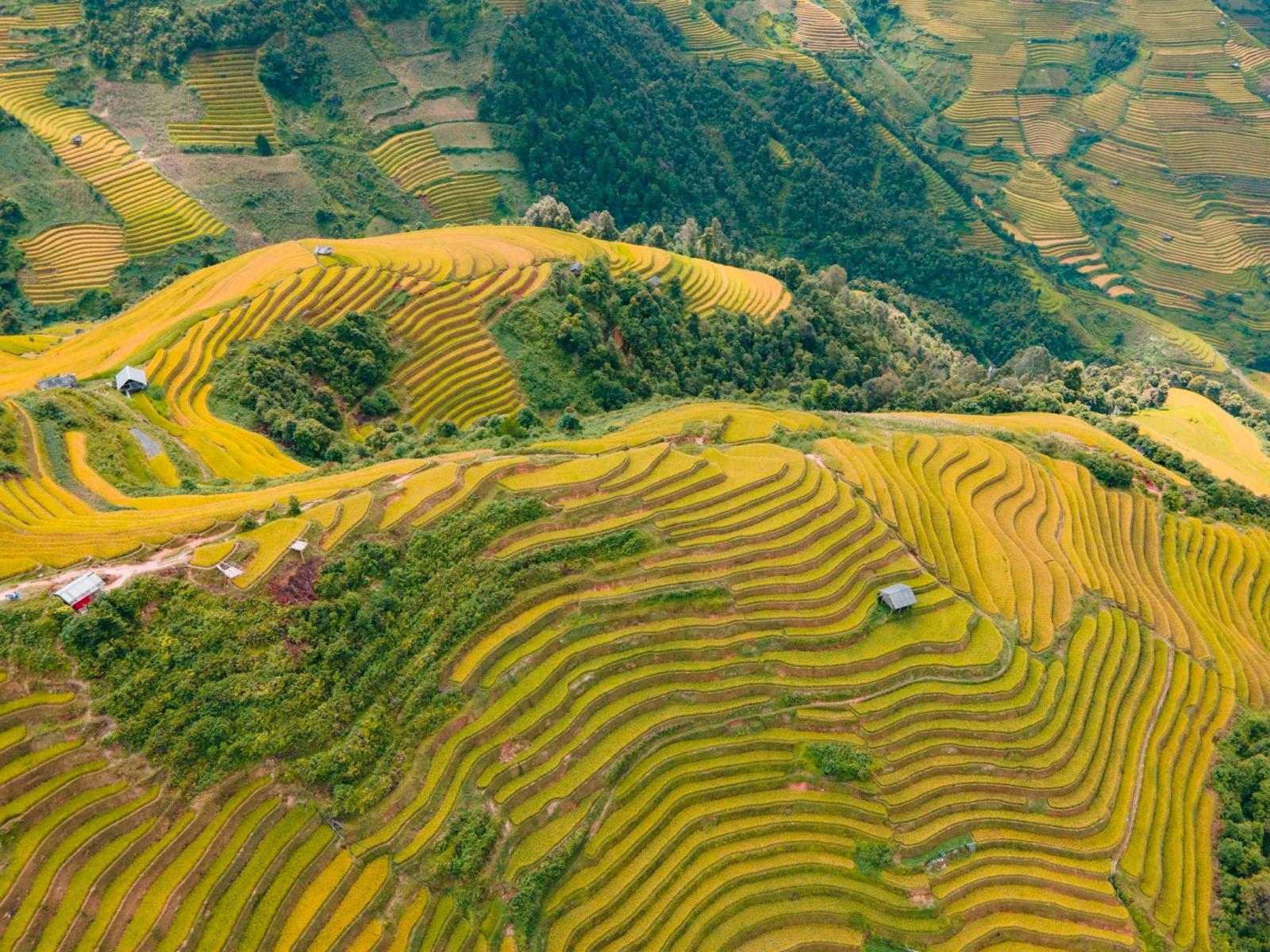
Northern Vietnam golden season (Source: Bao Thanh Nien)
If your itinerary includes Hanoi, Sapa, Ha Giang, Ninh Binh or Ha Long Bay, spring and autumn are generally the most comfortable seasons. March and April bring warmer temperatures after the northern winter.
From September to November, Hanoi becomes noticeably cooler and more pleasant for walking. It's also a wonderful time to head into the mountains. Around September and early October, the rice terraces in Sapa and Mu Cang Chai turn beautiful shades of gold as the harvest approaches. For hiking, photography and mountain scenery, this is one of the most rewarding times of year.
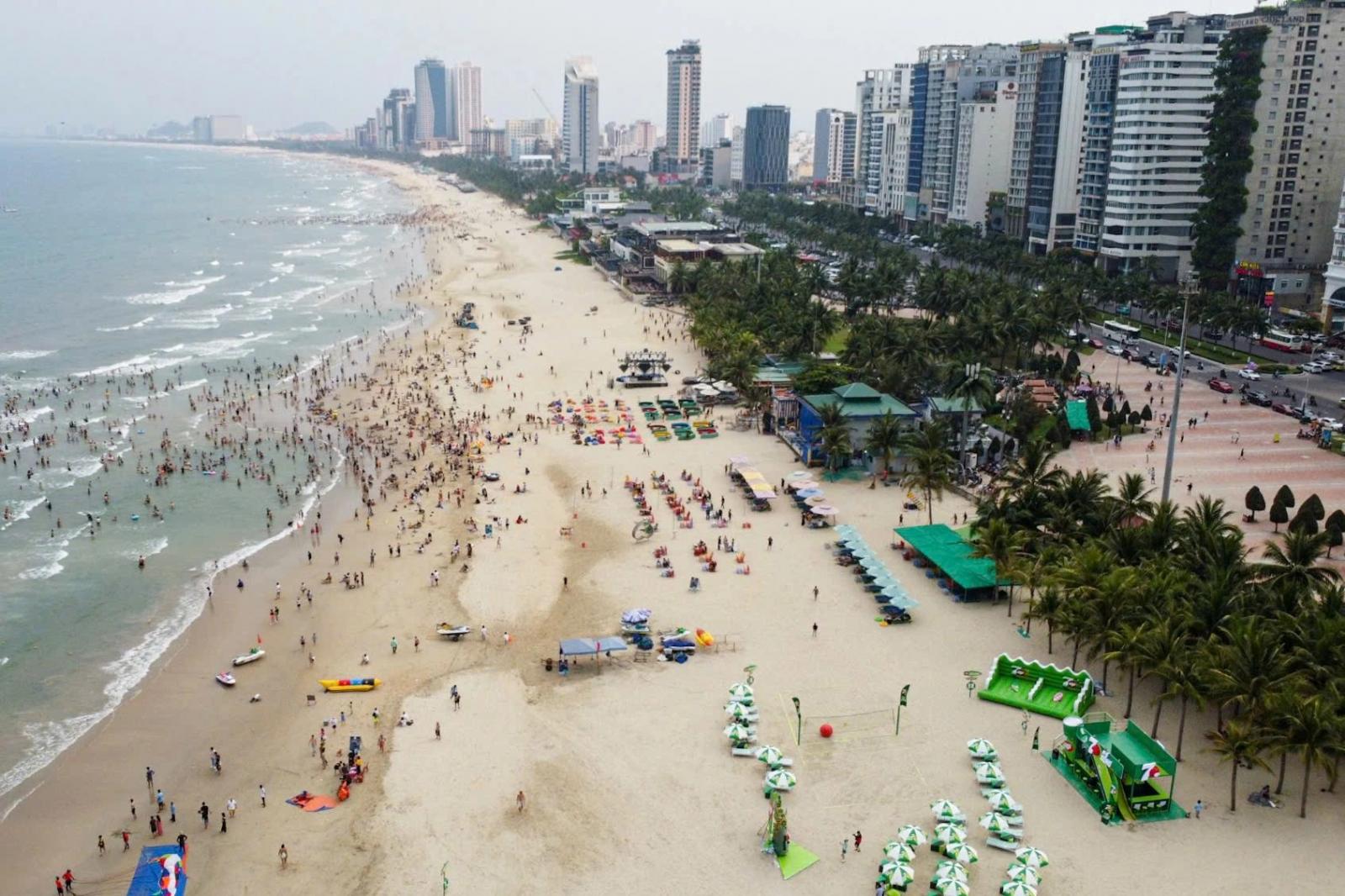
Da Nang beach during summer (Source: Dan Tri)
For destinations such as Da Nang, Hoi An and Hue, February to April offers a particularly nice balance of sunshine and manageable temperatures. You can explore Hoi An's lantern-lined streets, visit Hue's Imperial City and enjoy Da Nang's beaches without facing the worst summer heat.
From September to November, particularly in October and November, heavy rain and tropical storms can affect the central coast. Flooding is a genuine concern in low-lying areas of Hoi An and Hue. Da Lat, located in the Central Highlands, enjoys cooler mountain weather and has a different rainy season. November to March is especially pleasant if you're hoping for cool mornings, flower gardens and peaceful café visits. Nha Trang also has its own weather patterns, with generally sunny conditions during much of the first half of the year.
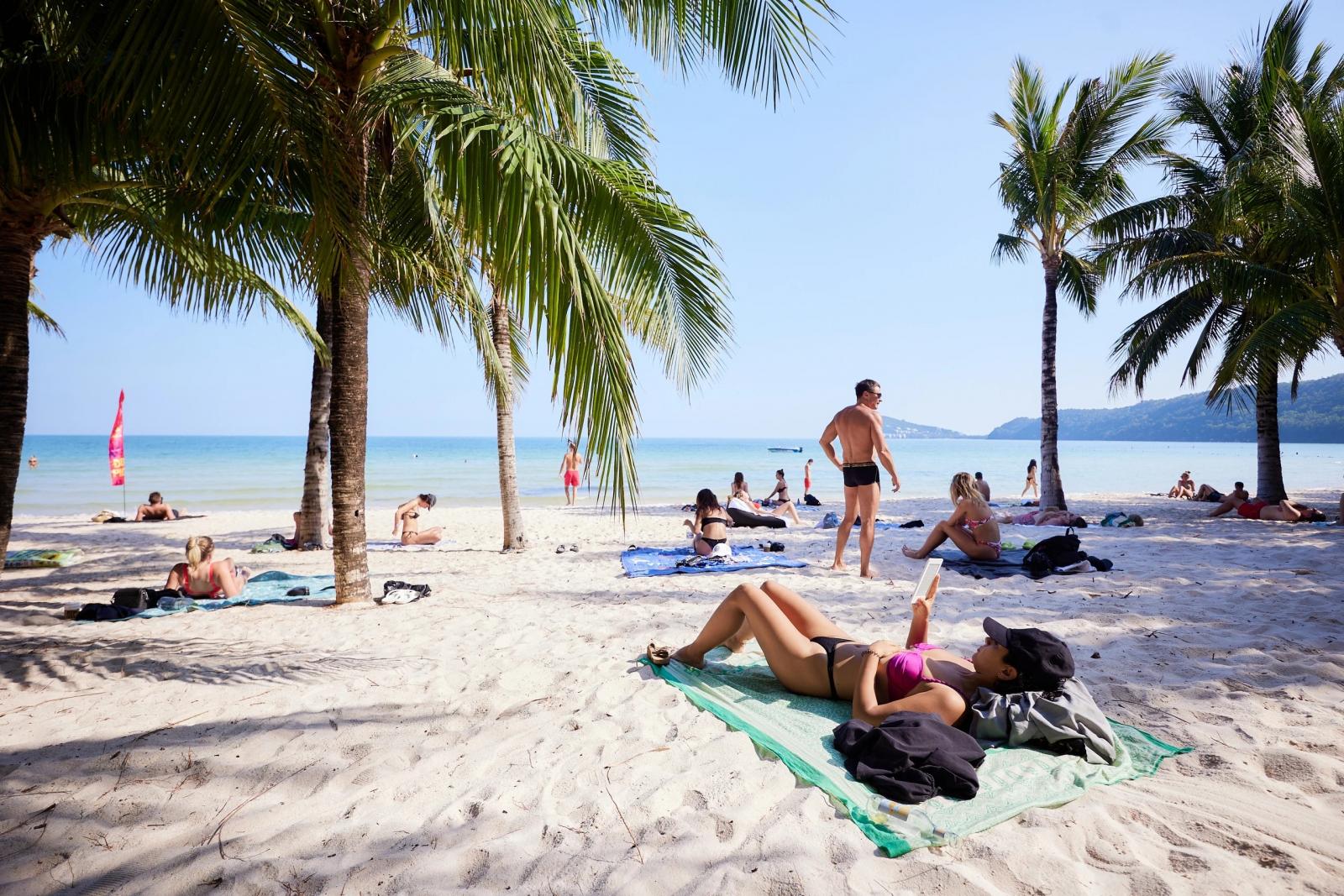
Tourist in Kem Beach (Source: Bao Thanh Nien)
If you're heading to Ho Chi Minh City, the Mekong Delta or Phu Quoc, December to April is generally the best time to visit. This is Southern Vietnam's dry season, when you're more likely to enjoy sunny days and less rainfall.
For beach lovers, Phu Quoc is a highlight. During the dry season, its beaches are generally more inviting, with calmer seas that are better suited to swimming, snorkeling and island-hopping trips. The Mekong Delta is also lovely at this time of year. You can explore canals, visit riverside villages and enjoy boat trips without having to plan your day around frequent afternoon showers.
By March and April, the heat can become intense, especially if you're spending hours walking around the city. From May to November, the rainy season arrives. Showers in the south often come in heavy afternoon bursts, leaving plenty of time for sightseeing earlier in the day.
Some periods can make traveling considerably less comfortable, particularly if you haven't planned around the weather.
Late April to July: The hottest months
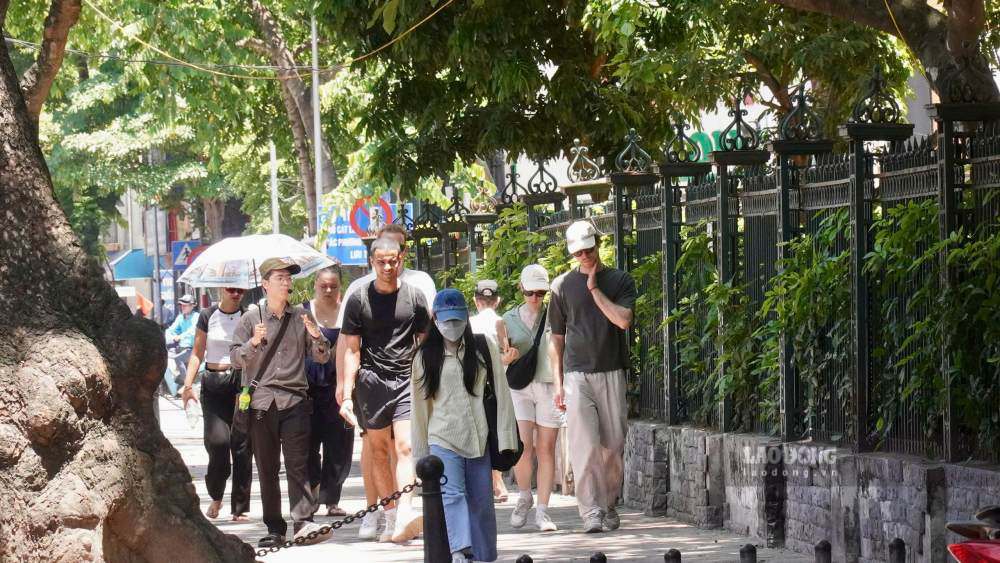
Vietnam summer is extremely hot (Source: Bao Lao Dong)
If you struggle with heat and humidity, think carefully before visiting Vietnam between late April and July. In Hanoi, temperatures can climb above 35°C (95°F) during heatwaves, and the humidity can make walking around feel exhausting. Ho Chi Minh City can be especially hot in April, while cities such as Hue and Da Nang can experience intense summer sunshine.
That doesn't mean you need to avoid Vietnam entirely. Summer is actually a popular time for beach holidays in Central Vietnam. The trick is to plan outdoor activities early in the morning, take a break during the hottest afternoon hours and save your city walks for the evening.
August to November: Typhoons, heavy rain and flooding
This is the period when you need to pay closer attention to your destinations. Northern coastal areas, including Ha Long Bay, can experience tropical storms during the summer and early autumn. These can disrupt cruises and other water-based activities.
Meanwhile, Central Vietnam faces its highest risk of heavy rain and flooding during roughly September to November. Hoi An, Hue and nearby destinations can be particularly vulnerable. Southern Vietnam also experiences rain during these months, but the showers are often shorter and easier to plan around. If you're traveling during storm season, keep an eye on weather warnings and avoid building an itinerary around non-refundable boat trips or tightly connected travel arrangements.
Sometimes it's not the season itself that causes problems, but the combination of a particular destination and the month you choose. Here are five travel plans worth reconsidering before you book.
Hoi An in October or November
October and November fall within Hoi An's wettest period. When heavy rain causes the Thu Bon River to rise, parts of the Old Town can flood, making some streets difficult to access. You may have to rearrange your plans around the rain. Flooding doesn't happen every day or throughout the entire season, but the risk is significant enough to consider. For a first visit, March or April is a much more comfortable choice.
Sapa in January
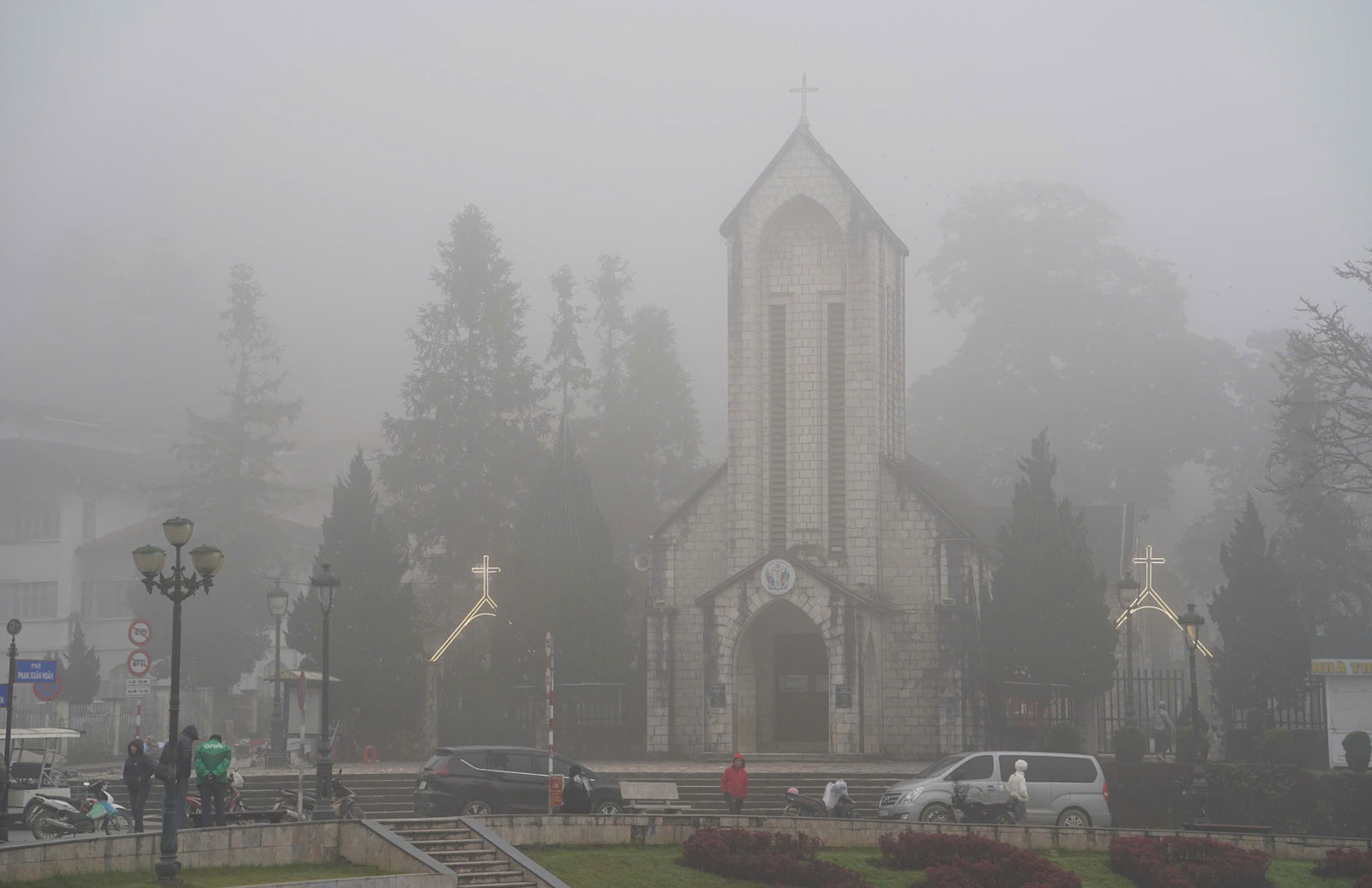
Sapa will become foggy in January (Source: Bao Lao Dong)
Sapa in January can be beautiful, especially if you love misty mountains and winter landscapes. But it's not always the best time for the sweeping rice-terrace views you see in travel photos. Thick fog can cover the valleys, visibility can be poor and temperatures can drop dramatically. You might travel all the way to a famous viewpoint only to find yourself looking at a wall of white mist. If your main goal is trekking and mountain photography, consider April or the September-October harvest period instead.
Phu Quoc in August
Phu Quoc is famous for its beaches and turquoise water, but August falls right in the island's rainy and windy season.You can still enjoy resorts, restaurants and occasional sunny spells, but rough seas and unsettled weather can interfere with snorkeling, island-hopping and boat excursions.
Ha Long Bay in late August
An overnight cruise through Ha Long Bay is often one of the highlights of a Vietnam trip. Unfortunately, late August is still within the period when tropical storms can affect Northern Vietnam's coastline.
If severe weather approaches, authorities can suspend cruise departures for safety reasons. That may leave you dealing with a canceled overnight stay or a last-minute change of plans. It's worth allowing some flexibility. April-May and September-October are generally better choices.
Ho Chi Minh City in late April
Late April can feel like walking through a giant outdoor sauna. The combination of intense sunshine, high temperatures and city traffic can make afternoon sightseeing exhausting. Walking between attractions, exploring outdoor markets or joining a long walking tour may be less enjoyable than you imagined. If you can, visit Ho Chi Minh City between December and February.
Even if you've already visited Vietnam's famous attractions, seeing them during a special festival can feel like discovering a completely different side of Vietnam.
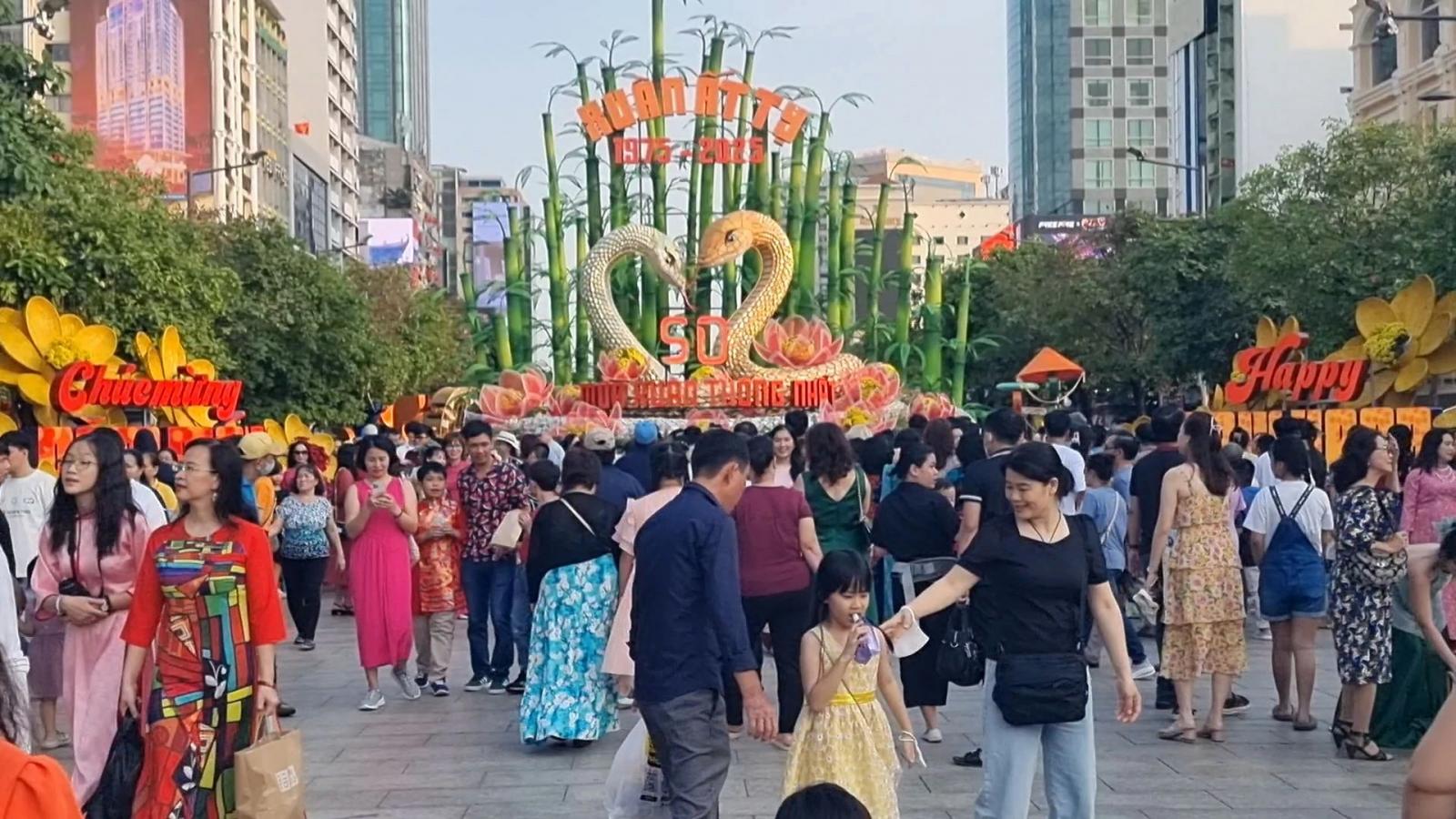
Nguyen Hue flower street during Tet season (Source: Bao Thanh Nien)
Tet is Vietnam's biggest and most important traditional holiday. It's a time when families reunite, homes are decorated with flowers and people welcome the new year with hopes for good fortune. Markets are busier, families shop for traditional foods and the excitement is everywhere.
If you're lucky enough to experience Tet with a Vietnamese family, you might be invited to enjoy traditional dishes such as banh chung, exchange New Year wishes and learn about the custom of giving lucky money.
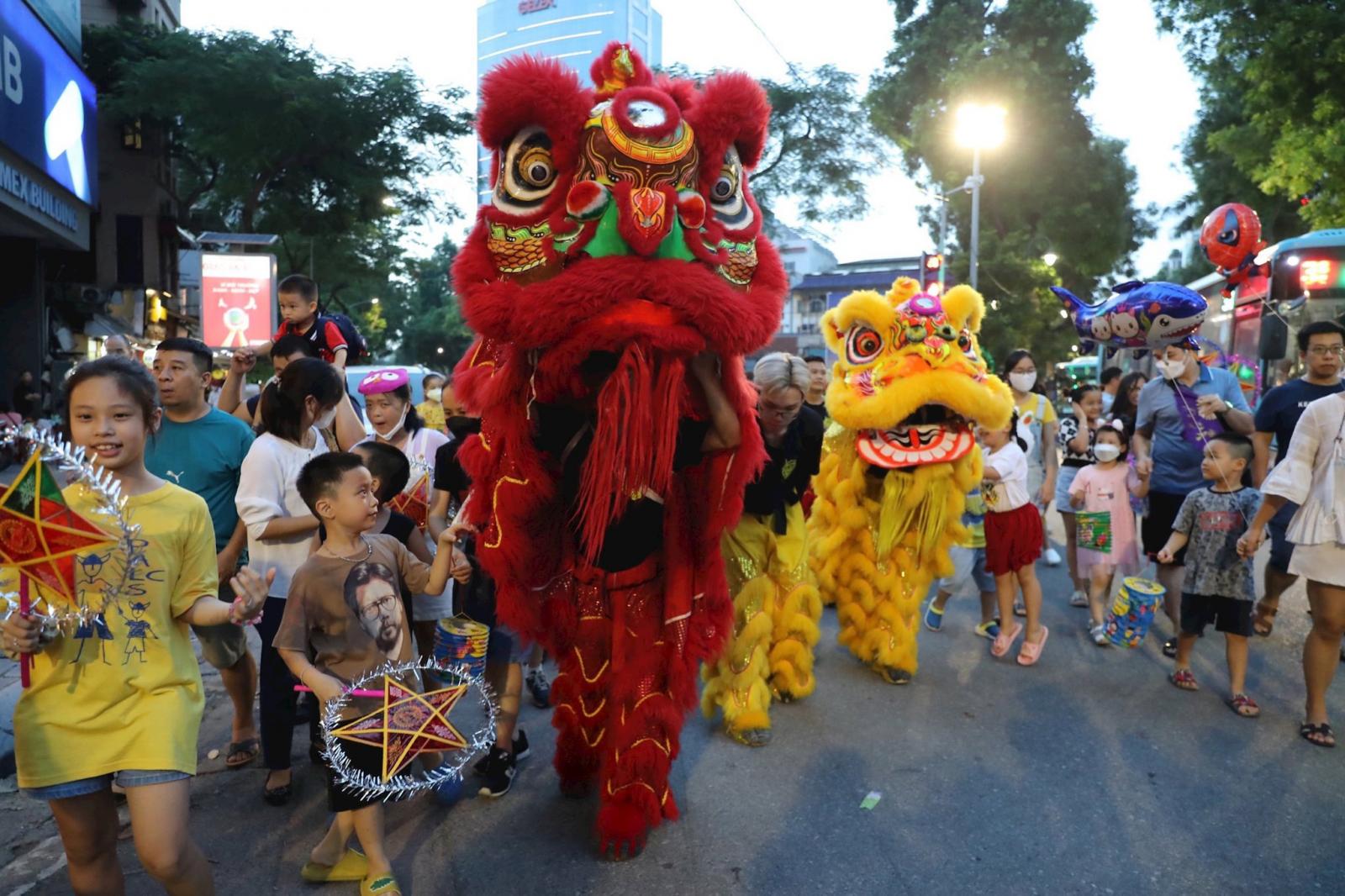
Vietnam Mid-Autumn Festival dragon dance (Source: Dai Bieu Nhan Dan)
If you love colorful street celebrations, the Mid-Autumn Festival is a wonderful time to be in Vietnam. As evening falls, neighborhoods come alive with lanterns, lion dances, drums and excited families. You'll see star-shaped lanterns, colorful masks and stalls selling mooncakes filled with everything from lotus seed paste to salted egg yolks.
Hanoi is particularly atmospheric during this period, especially around Hang Ma Street, where shops display an enormous variety of festive decorations. It's busy, loud and sometimes wonderfully chaotic, but that's part of the charm.
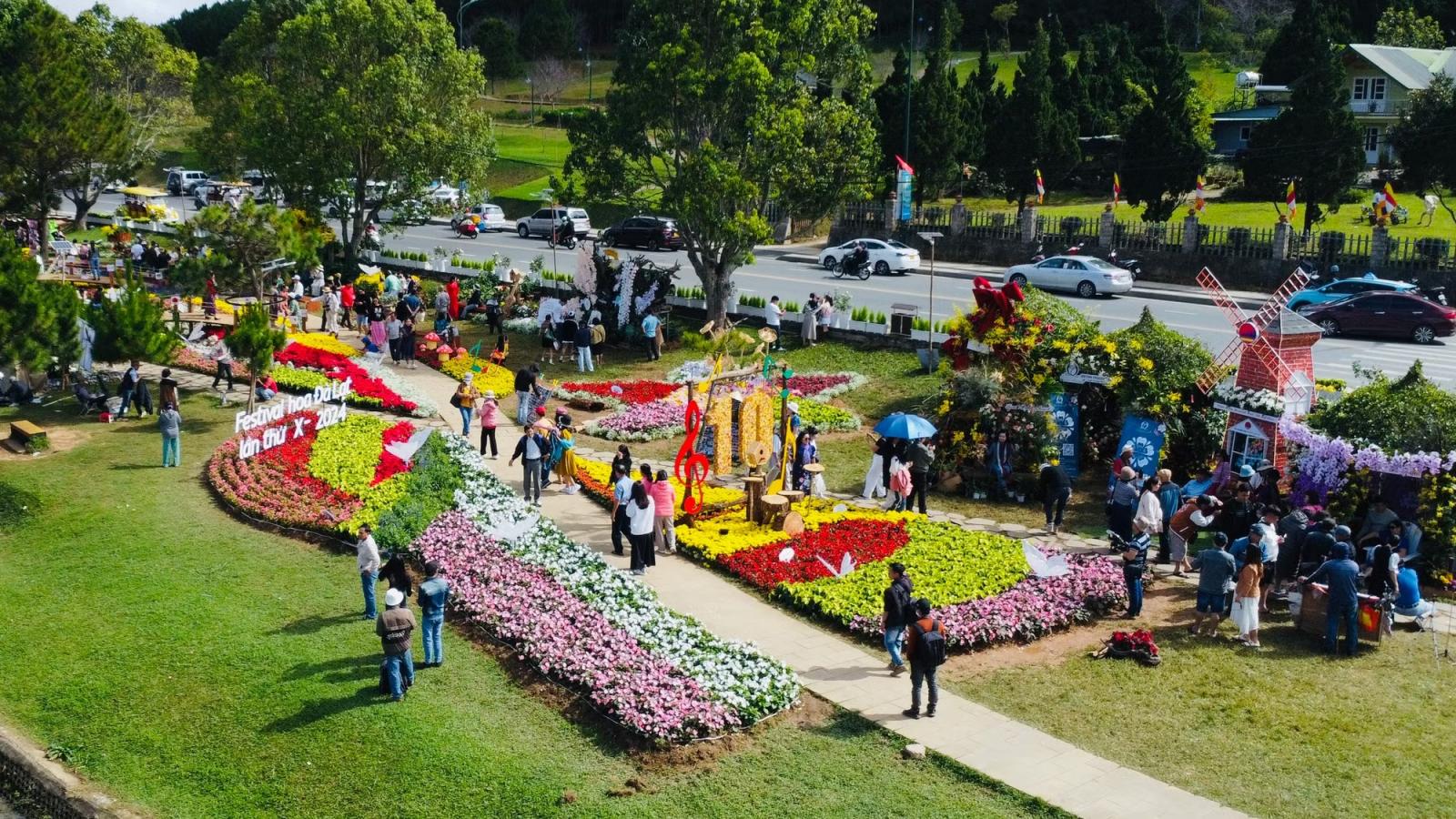
Da Lat becomes colorful during flower festival (Source: Bao Tien Phong)
Da Lat is already known for its flowers, cool mountain air and romantic atmosphere, but the Flower Festival gives the city an extra splash of color. During the festival, public spaces are decorated with floral displays, while exhibitions and cultural activities celebrate the region's flower-growing traditions. You can spend the morning admiring flower displays, then settle into a hillside café with a warm drink as the evening air turns chilly.
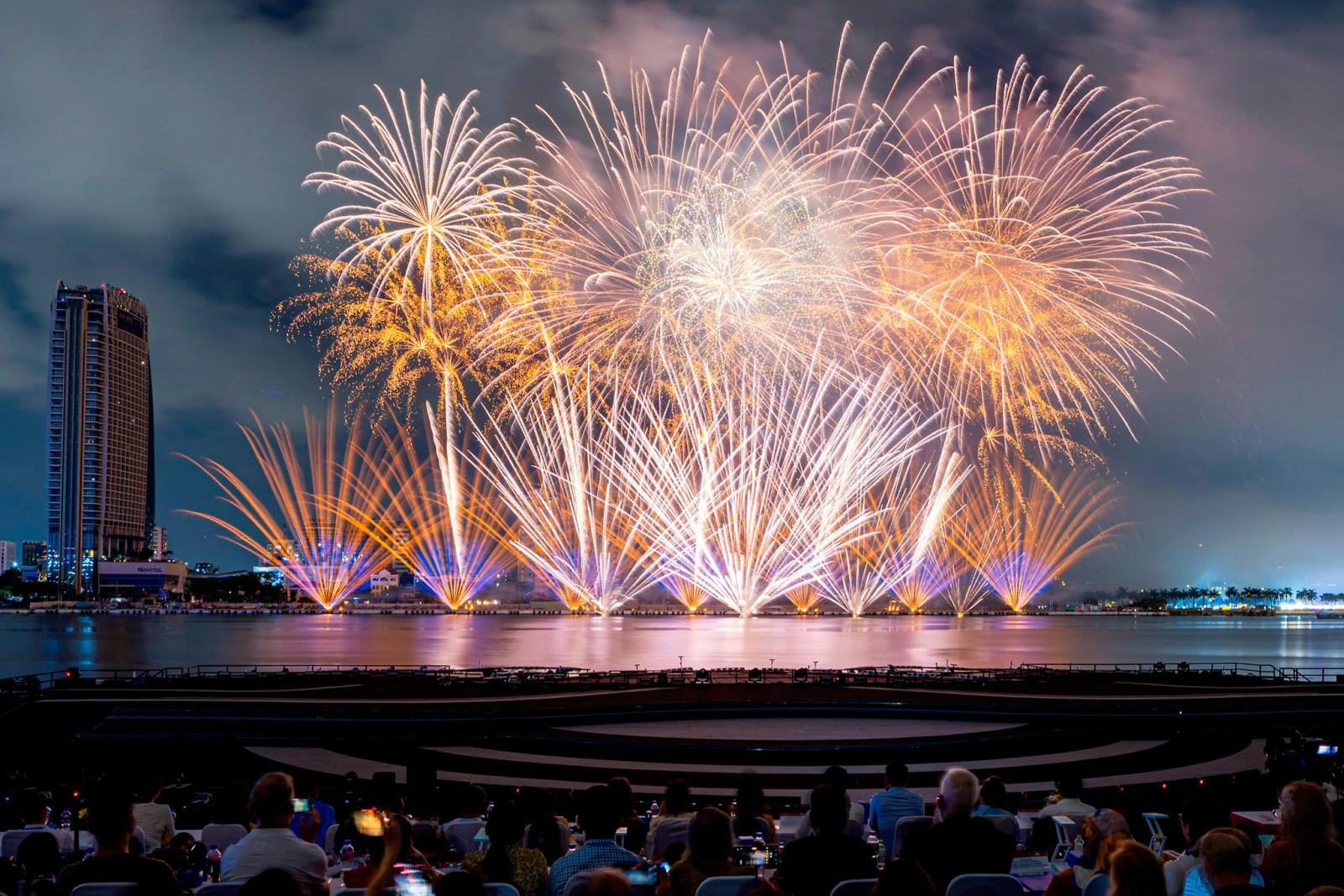
Da Nang firework festival (Source: Bao Da Nang)
Da Nang is a popular summer beach destination, but during the International Fireworks Festival, its nights become just as exciting as its days. International teams compete with spectacular fireworks displays over the Han River, illuminating the city skyline with bursts of color and light. Riverside areas fill with spectators, restaurants become lively and the whole city takes on a festival atmosphere.
Because the festival attracts large numbers of visitors, hotels near the river and popular viewing spots can book out early. Check the event schedule and reserve accommodation ahead of time if you want to attend.
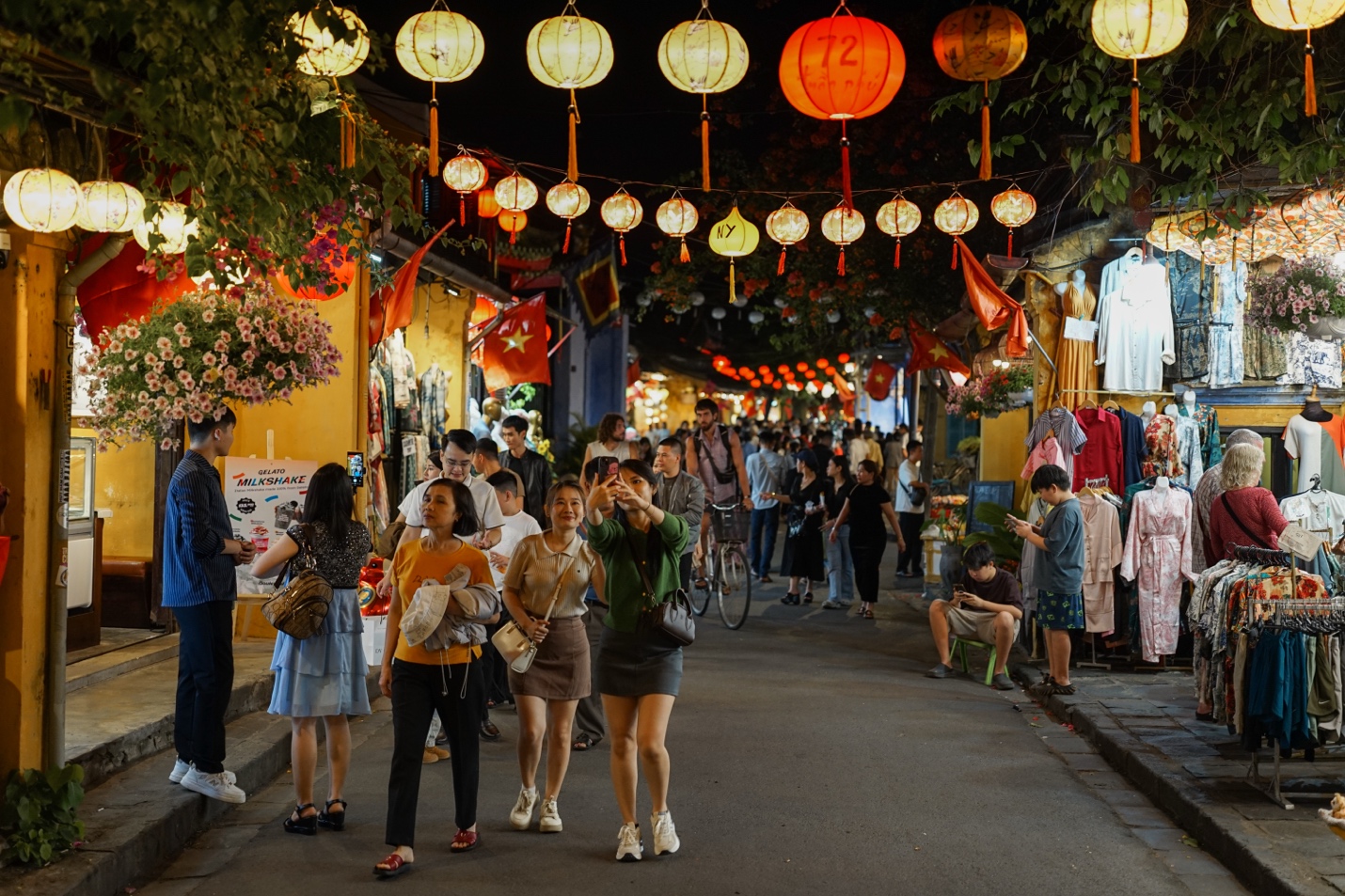
Lantern-lit night in Hoi An (Source: Bao Tuoi Tre)
Every 14th in each lunar month, the Old Town marks its traditional Hoi An lantern festival night. As darkness falls, colorful silk lanterns glow above the narrow streets, creating a warm and almost dreamlike atmosphere. Along the Hoai River, you can watch small candlelit lanterns floating on the water or take a short boat ride to enjoy the view from the river.
If your itinerary is flexible, it's worth checking the lunar calendar and planning to spend an evening in town during the celebration. Just remember that a lantern festival doesn't guarantee clear skies. If your chosen date falls during October or November, keep the rainy season in mind.
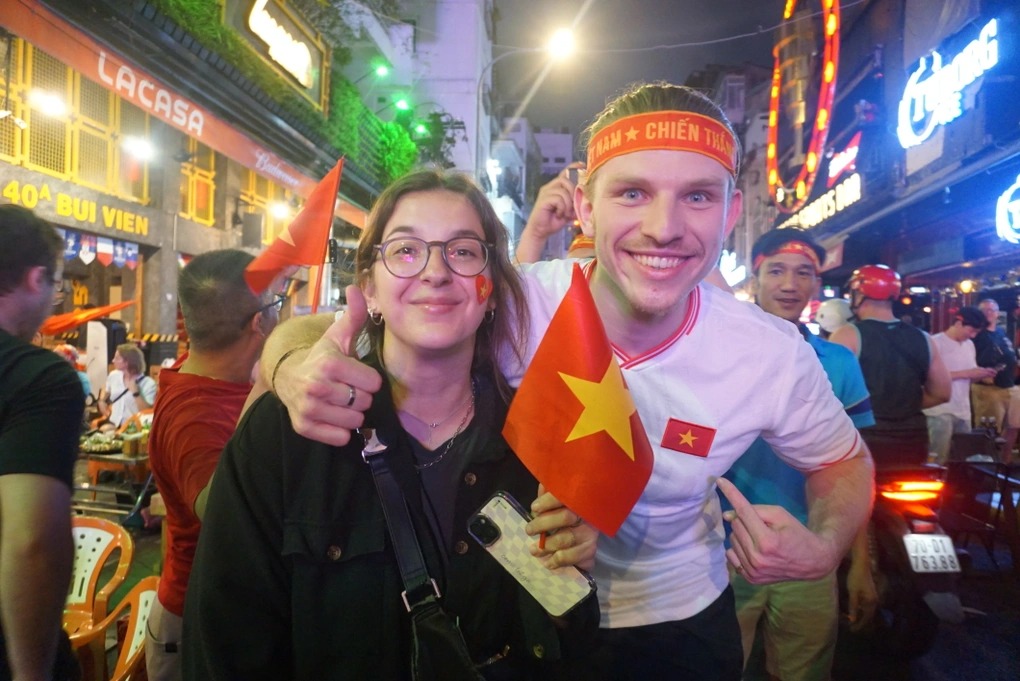
Tourists in Vietnam celebrating football win (Source: Bao Tuoi Tre)
Football celebration might turn into one of the most unforgettable nights of your trip. Vietnamese people are incredibly passionate about football, and when the national team wins an important match, entire neighborhoods can erupt in celebration. Locals call it "di bao," which literally means "going into the storm." The sight of endless motorbikes moving through a sea of Vietnam flags is something quite different from a typical football celebration.
If you stay in Hanoi or Ho Chi Minh City after a major Vietnamese football victory, you may get to witness this remarkable atmosphere for yourself. Join the excitement from a safe spot along the street, but be prepared for heavy traffic, noise and road closures.
Even when you've chosen the perfect month for the weather, a few local details can make a big difference to your experience.
Tet can feel like Christmas in Europe, with many businesses closed
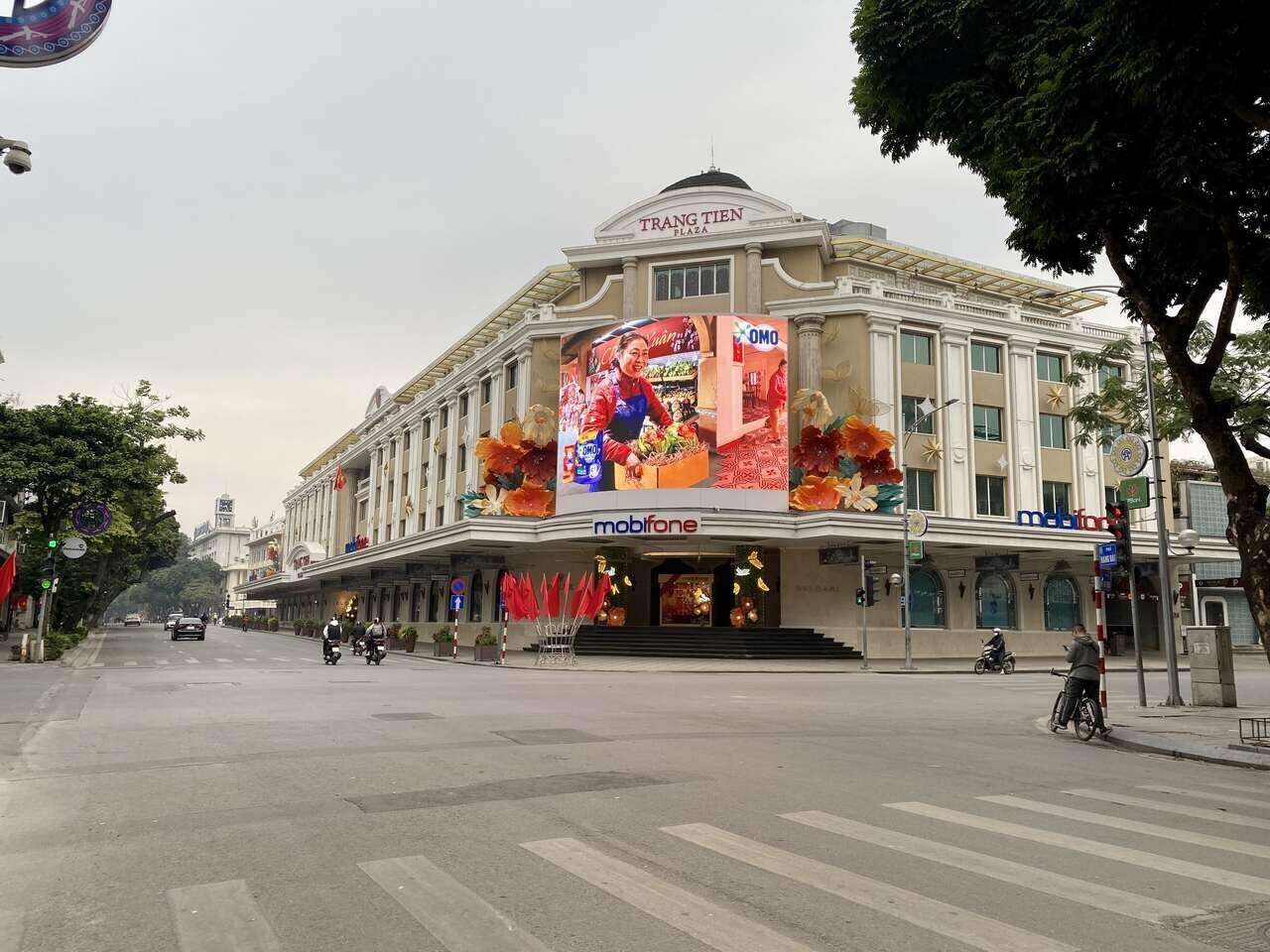
Hanoi streets become empty during Tet (Source: Bao Lao Dong)
Vietnam's Lunar New Year is as big as Europe’s Christmas Day. For the first few days of Tet, many family-run restaurants, cafés, shops and local businesses close as people return to their hometowns. Finding food during the first 3 days of Lunar New Year can be extremely difficult with limited option.
Trains, buses and flights can also become fully-booked around the holiday. If you're visiting during Tet, book early, check restaurant opening hours and avoid leaving essential travel arrangements until the last minute. On the bright side, Tet offers something you rarely see in Vietnam's major cities: unusually quiet streets.
Vietnamese public holidays can turn peaceful destinations into crowded hotspots.
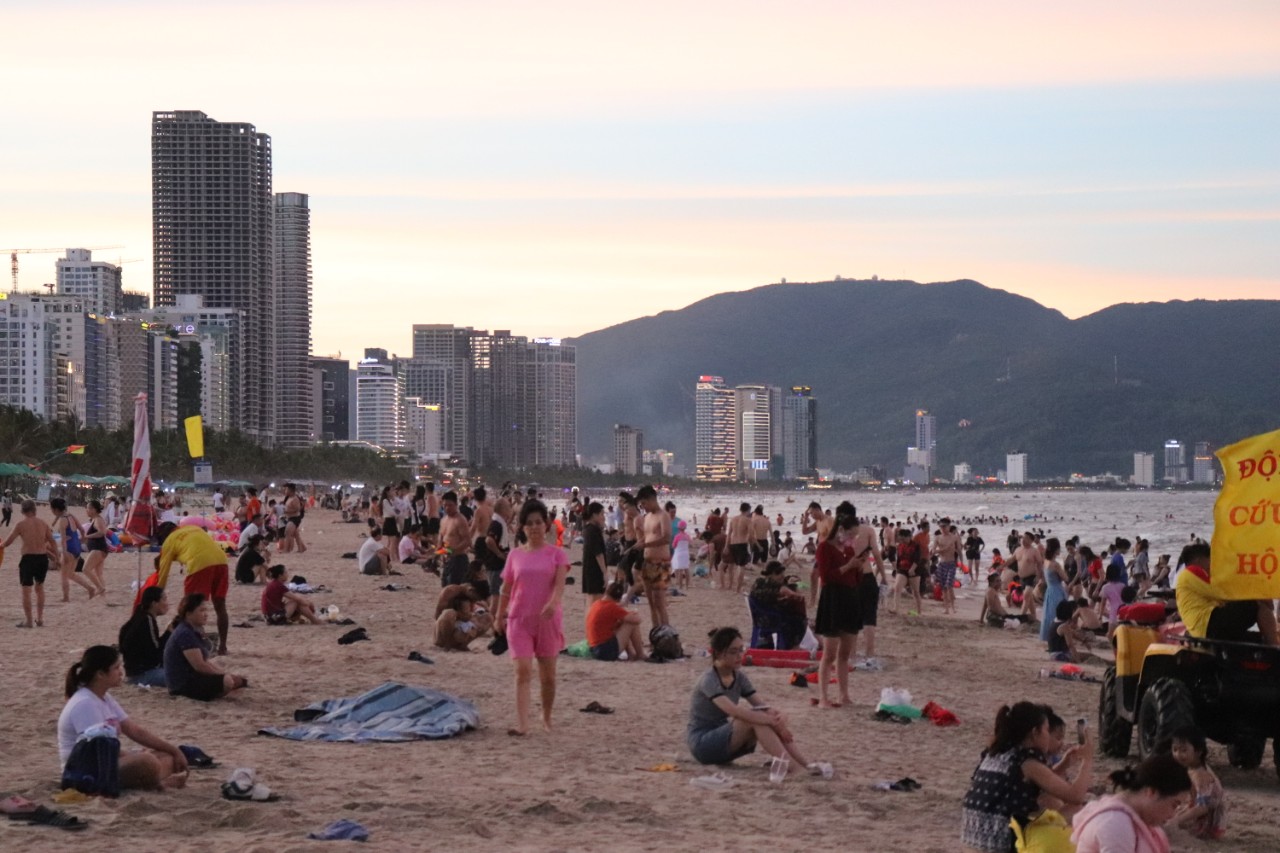
Popular spot can be extremely crowded during Vietnam public holiday (Source: Bao Lao Dong)
April 30, May 1 and September 2 are important dates on Vietnam's holiday calendar. Popular destinations such as Da Nang, Da Lat, Sapa and Phu Quoc can become significantly busier, with higher accommodation demand, crowded attractions and limited transport availability.
The summer school holiday period, particularly June to August, is also a popular time for domestic beach trips. If you enjoy lively beaches and busy nightlife, this might not bother you. But if you love quiet mornings, uncrowded viewpoints and peaceful cafés, you may prefer traveling outside major holiday periods.
Vietnam has a colder winter than you might expect.
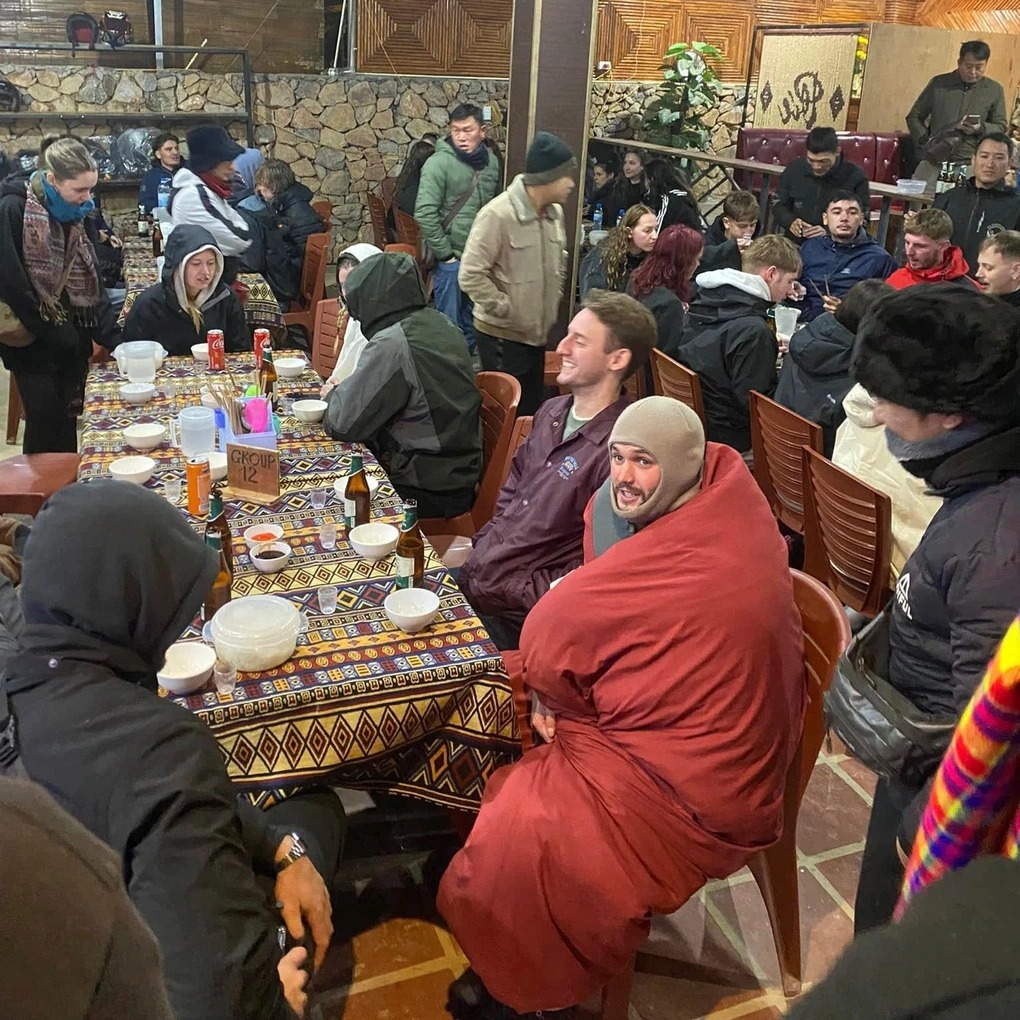
Vietnam winter can be surprisingly cold (Source: Dan Tri)
Vietnam is often described as a tropical country, but in winter, Northern Vietnam can experience temperatures around 7-10°C (44-50°F), sometimes lower during cold spells. With damp air and chilly winds, the weather can feel surprisingly uncomfortable. Even travelers from countries with freezing winters can find the cold unpleasant, particularly in buildings without strong indoor heating. If you're visiting between December and February, bring a warm jacket and layers.
Leave some flexibility in your itinerary during the rainy season.
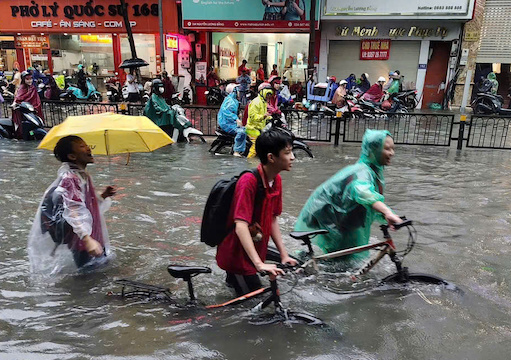
Vietnam rainy season can be flooded (Source: Bao Lao Dong)
If you're traveling during storm season, avoid planning an overnight cruise, an island-hopping tour and an important flight connection too close together. A sudden weather warning can change your plans faster than you expect.
Choose accommodation and activities with flexible cancellation policies where possible, and check local weather forecasts before heading to the coast or mountains. And once you've settled on your travel dates, remember to check your Vietnam visa requirements and apply with enough time to spare, particularly if your trip falls around a major public holiday.
Before booking your flights, it's also worth checking whether your trip falls around a major Vietnamese public holiday, don't leave your visa application until the last minute. Holiday closures can affect processing times, even when the online application system is still available.
Vietnam e-visas normally take around 3-5 working days to process. So, an application submitted just before a long holiday could take considerably longer than expected.
|
Public holiday |
Date |
Impact on visa processing |
|
Tet (Vietnamese Lunar New Year) |
January or February (varies yearly) |
Extended holiday closures can significantly delay visa processing. |
|
Reunification Day |
April 30 |
Processing may be delayed, especially when combined with the May 1 holiday. |
|
International Workers' Day |
May 1 |
Immigration offices close, potentially extending processing times. |
|
National Day |
September 2 |
Holiday closures and adjacent days off may delay visa approvals. |
If you're traveling soon or caught off guard by a holiday closure, UrgentVisaToVietnam can help review your application and explore available urgent visa processing options, including assistance for time-sensitive cases. Don't let visa delays ruin your holiday plans. Get urgent Vietnam visa assistance and focus on enjoying your trip instead.
What is the best month to visit Vietnam?
March and April are among the best months for exploring Vietnam from north to south. If you're focusing on Northern Vietnam, October and November are also excellent choices.
Is Vietnam cold in winter?
Yes. Northern Vietnam experiences a cold winter from December to February. Southern Vietnam remains warm throughout the year.
Is it safe to travel to Vietnam during typhoon season?
Yes, travel can still be possible, but storms create serious risks in affected areas, including flooding, dangerous sea conditions and transportation disruptions.
Does it rain all day during Vietnam's rainy season?
No. Southern Vietnam often experiences heavy but relatively short afternoon showers. Central Vietnam, particularly during October and November, can experience prolonged rainfall and flooding.
What is the best time to visit Vietnam for beaches?
For Da Nang and Hoi An, March to August generally offers good beach weather, although summer can be very hot. For Phu Quoc, December to April is usually preferable because of its drier weather and calmer seas.
Is Vietnam crowded during public holidays?
Yes. Tet, public holiday can bring large domestic travel crowds. Book hotels and transportation early, or choose quieter travel dates if you prefer a more relaxed experience.
Do public holidays delay Vietnam visa processing?
Yes. Vietnam's immigration offices close on public holidays, and weekends and holidays. Longer breaks, especially Tet, can cause significant delays.
.jpg)
Vietnam visa run vs extension - compare cost, speed and hassle side by side, plus a decision tree based on hours until your flight. Choose the fastest option.
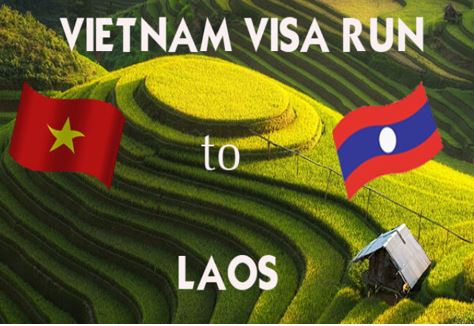
The best option for expats in Da Nang/Hanoi. See the required documents (e-Visa, photos), and costs for a fast and secure land border visa run to Laos.
Renew your Vietnam stay with the fastest land border run. Get the checklist for Moc Bai: e-Visa, photos, stamping fee, and step-by-step for the border crossing.